Moving Forward After a Relapse: Understanding Your Recovery Path

Recovery from gambling addiction isn’t a straight line. Some days feel strong and clear. Other days, just getting through feels like an accomplishment. If you’ve recently found yourself gambling again after a period of not gambling, that doesn’t mean your recovery has failed. It might actually be an important part of your recovery process.
This guide walks you through how to look back at what happened, understand what triggered it, and use that knowledge to move forward with greater clarity.
A Relapse Isn’t the End of Your Recovery
When a relapse happens, it’s easy to feel like you’ve lost all your progress. You might tell yourself, “I’m back to square one” or feel ashamed that you couldn’t stay the course. But here’s what matters: a relapse is information, not a verdict on your recovery.

Understanding Relapse
Relapse is a common part of many people’s recovery journey. It doesn’t erase the time you spent not gambling. It doesn’t make you weaker. What matters is what you do next—how you reflect on what happened and what you learn from it.
Many people who are in recovery experience relapse at some point. The difference between people who move forward and those who don’t isn’t that some are stronger—it’s that some take time to understand why the relapse happened. That understanding becomes your foundation for preventing future relapses.
Looking Back: The Reflection Process
The first step after a relapse is to look at what happened as objectively as you can. This isn’t about blaming yourself. It’s about discovering what was happening in your mind, your environment, and your emotions at that moment.
Ask yourself these questions:
- What emotions were you feeling in the hours or days before you gambled?
- Who were you with? Were you alone, or with specific people?
- What happened that day? Did something stressful occur, or was something different about your routine?
- What need were you trying to fill? Were you trying to escape boredom, anxiety, loneliness, or something else?
- What barriers failed? Did you have your support contacts available? Were you on your phone when you weren’t planning to be?

Write Down Your Reflection
Don’t just think about these questions—write them down. Use paper, a journal, or the HOLDON app. When you write, patterns become clearer. You might notice that relapse happens at certain times of day, after specific events, or when you’re with certain people. Those patterns are clues about where you need more support.
Take your time with this reflection. You’re not looking for quick answers. You’re building a clearer picture of your vulnerabilities so you can plan around them.
Identifying Your Vulnerable Moments
Once you’ve reflected on what happened, look for the specific moments or situations where your willpower wavered. These are your vulnerable moments, and they’re incredibly valuable information.
For example, you might discover:
- You feel the strongest urge to gamble on Sunday evenings
- Conflict with family members or friends triggers gambling thoughts
- Stress about money makes you want to “solve” the problem through gambling
- Certain apps, websites, or locations are harder to avoid than others
- Boredom or lack of structure leads to impulsive decisions
Prepare Before the Moment Arrives
Once you know your vulnerable moments, don’t wait for them to happen again. Prepare now. If you know Sunday evenings are hard, plan activities for that time. If conflict with specific people is a trigger, think through how you’ll respond differently. If stress leads to gambling thoughts, identify healthier ways to cope.
Having a plan in place before a vulnerable moment arrives is far more effective than trying to make a good decision in the heat of the moment.
Building Your Coping Toolkit
Your vulnerable moments need alternatives. When you feel the pull toward gambling, what else can you do instead?
Create a list of activities that genuinely help you manage difficult emotions:
- Move your body: Take a walk, exercise, stretch, or dance to music
- Connect with someone: Call a trusted friend or family member. Text a recovery community member.
- Calm your mind: Practice deep breathing, meditation, or journaling
- Shift your environment: Go to a different room, step outside, change your surroundings
- Engage your hands: Cooking, drawing, building something, or any hobby that requires focus
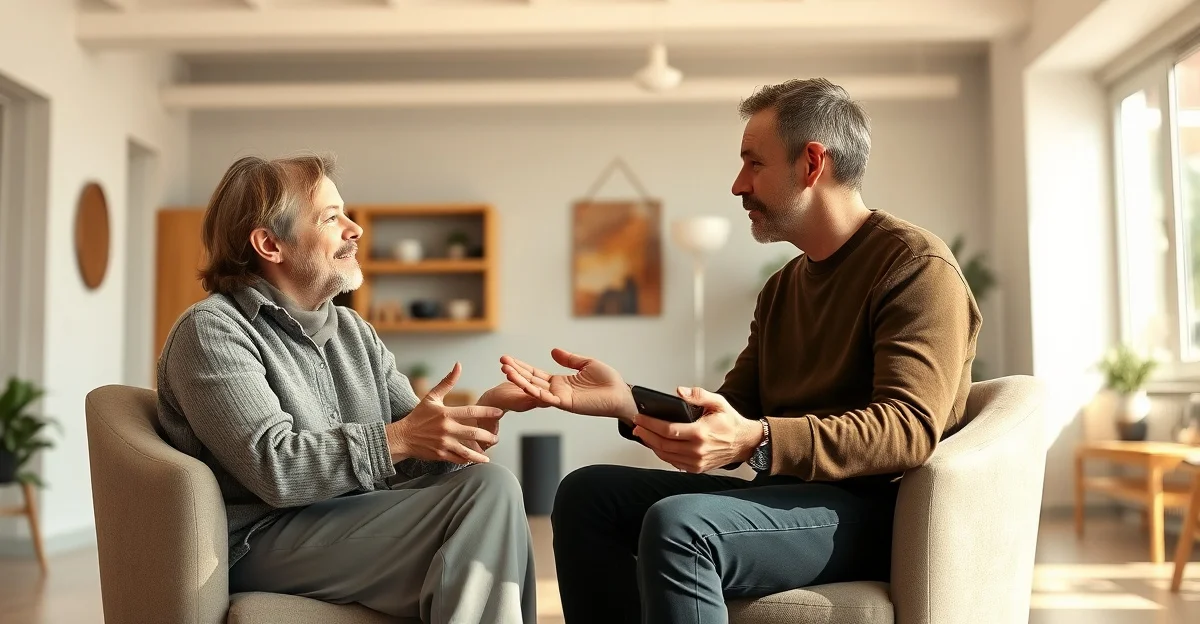
The key is choosing activities that you’ve actually tried before and that genuinely help. Not activities that sound good in theory. Real coping tools are ones you’ll actually use when you’re struggling.
Standing Back Up
The hardest part after a relapse is giving yourself permission to try again. You might feel discouraged. You might worry that “one more relapse” means you’ve lost your chance. That’s not how recovery works.
One instance of gambling doesn’t erase all the days you didn’t gamble. All that time you spent building new habits, managing triggers, and moving away from gambling—that’s still part of who you are now.
What you can do right now:
- Be honest with someone you trust. Tell them what happened. Isolation feeds shame; connection helps you move forward.
- Reconnect with your support system. Whether that’s a therapist, a recovery group, the HOLDON app, or trusted people in your life, reach out again.
- Start small. You don’t need to make perfect choices going forward. Just make the next choice a good one.
Looking Back at a Relapse
Complete a self-assessment worksheet in the HOLDON app. This guided reflection helps you understand your relapse patterns and build a stronger plan for the vulnerable moments ahead.
HOLDON 앱에서 확인 →Recovery isn’t about perfection. It’s about understanding yourself more deeply each time you face a challenge. A relapse, as difficult as it is, can become a turning point—the moment when you learned something crucial about yourself and used that knowledge to move forward with more strength.
You’re not starting over. You’re continuing. And you’re not alone.
Need help?
- National Problem Gambling Helpline 1-800-522-4700
- Crisis Text Line Text HOME to 741741