15 Healthy Alternatives to Gambling: What to Do Instead

When a gambling urge hits and you don’t know what to do, you’re not alone. Many people in recovery have discovered that finding healthy alternatives to gambling makes the journey toward change much more manageable. The key insight is this: gambling wasn’t just about the money or the outcome—it was about what it gave you psychologically.
Gambling provided excitement, a sense of challenge, social connection, and the promise of immediate results. To truly replace it, you need activities that fulfill these same underlying needs. Here are 15 alternatives organized by the psychological needs they satisfy.
Why Alternatives Matter
Simply avoiding gambling isn’t enough. A vacuum left unfilled will keep pulling you back. When you replace gambling with something that genuinely engages you, your brain gets what it was seeking—just in a healthier way. The urge will still come, but you’ll have a toolkit of real options to reach for.
Finding Your Fit
These 15 alternatives aren’t one-size-fits-all. You might connect with some immediately and struggle with others. That’s normal. Think of this as experimenting to discover what genuinely works for you, not forcing yourself into activities that feel hollow.
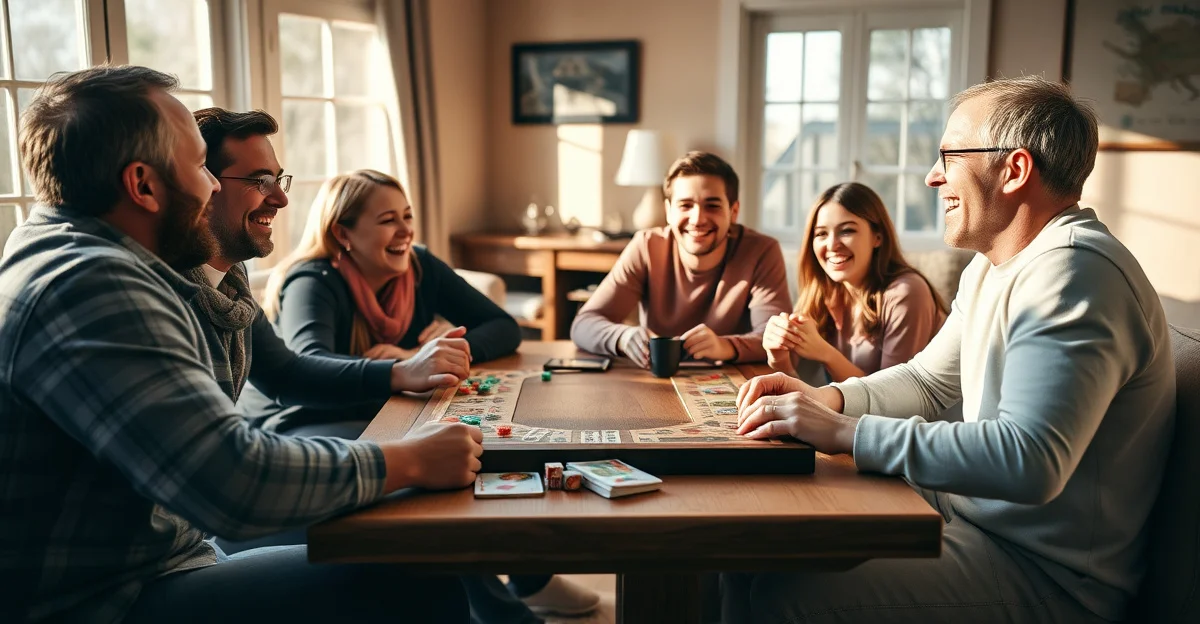
For the Need for Challenge and Excitement
1. Learn a new sport or physical skill Rock climbing, martial arts, tennis, or surfing all offer progressive challenge and the satisfaction of measurable improvement. Each session brings real feedback about your progress.
2. Play strategic board games or card games Games like chess, Catan, or bridge scratch that competitive itch without financial stakes. Playing regularly with the same group also builds community.
3. Take up cooking or baking Following a challenging recipe, experimenting with new cuisines, and producing something you can share creates immediate gratification and a tangible result.
4. Pursue an online course or certification Programming, graphic design, languages, or professional certifications provide long-term challenge with clear milestones. The learning curve keeps your mind engaged.
5. Learn a musical instrument Playing music activates multiple brain regions simultaneously and offers both short-term satisfaction (mastering a new song) and long-term growth (becoming proficient).

For the Need for Connection
6. Join a hobby group or club Book clubs, hiking groups, art circles, or sports leagues connect you with people who share your interests. Regular meetings create belonging.
7. Volunteer regularly Helping others at an animal shelter, community kitchen, youth organization, or environmental cleanup provides meaningful connection and purpose beyond yourself.
8. Schedule consistent time with friends or family Simple things like weekly coffee, a regular dinner, or a standing walking date with someone you care about create reliable connection points.
9. Participate in an online community Reddit forums, Discord servers, Facebook groups, or specialized forums around your interests let you build real relationships with people who understand what matters to you.
10. Join a sports team or regular game night Showing up to the same place at the same time to do something alongside others creates identity and belonging. Your teammates come to count on you.
For Calm, Creativity, and Processing Emotions
11. Practice meditation or yoga These practices interrupt the cycle of urges by grounding you in the present moment. Many people find that regular practice significantly reduces cravings.
12. Draw, paint, or make art Creative expression helps process feelings that might otherwise drive you toward gambling. You don’t need to be “good”—the act itself is healing.
13. Write or keep a journal Writing about your day, your feelings, and your patterns helps you understand your triggers and builds self-awareness. Many people find that journaling before bed prevents late-night urges.
14. Spend time in nature Walking trails, sitting in parks, gardening, or camping naturally calm your nervous system. Nature requires no performance—you can just be.
15. Read books A good book transports you, occupies your mind, and fills time during vulnerable hours. Many people in recovery keep a book on hand as a frontline defense against urges.
When an Urge Hits
Take 5 minutes to breathe deeply. Then look at this list. What can you do right now? Not later—right now. It might be a 10-minute walk, calling a friend, cooking something simple, or opening a book. Small actions interrupt the urge’s momentum. The urge will pass; you just need to ride it out with something else to focus on.
Getting Started
You don’t have to try all 15. Pick two or three that genuinely appeal to you—not what you think you should like, but what actually interests you. Do them before the urge hits, so they’re already part of your routine. That’s when they’re most protective.
The first few weeks feel awkward. You’re breaking an old pattern and building a new one. But here’s what happens: these activities start to become what you actually want to do, not just a distraction from what you don’t want to do.
Recovery isn’t about perfection. It’s about choosing something different, one moment at a time.
Activity Tracking in HOLDON
Log the alternatives you try each day to see your patterns and progress. Over time, you'll notice which activities help most when cravings strike, and you'll build evidence of your commitment to change.
HOLDON 앱에서 확인 →Need help?
- National Problem Gambling Helpline 1-800-522-4700
- Crisis Text Line Text HOME to 741741