Finding Your Support Resources: A First Step in Recovery

Are you struggling with gambling addiction? Do you feel isolated in your experience? You’re not alone, and taking the step to find support is one of the most important moves you can make in your recovery journey. In this guide, we’ll explore how to honestly assess where you are right now and identify the resources that can help you move forward.
Facing Your Situation with Honesty
The first step in recovery isn’t about shame—it’s about clarity. Understanding your current situation, without judgment, gives you a real starting point for change.
Many people spend months or years convincing themselves that everything is under control. “I can stop whenever I want.” “It’s not that bad.” “I’m managing fine.” But if you’ve found your way here, something has shifted. That quiet voice telling you that things need to change? That’s worth listening to.
Accepting where you are doesn’t mean accepting defeat. It means recognizing reality so you can actually do something about it. This kind of honest self-awareness is the foundation of meaningful recovery.

The Power of Honest Reflection
Take time to sit with your experience without rushing to judgment. How long has gambling been part of your life? How has it affected your finances, your relationships, your peace of mind? This reflection isn’t comfortable, but it’s clarifying. And clarity is what allows you to find the right help.
Understanding Your Current Reality Through Self-Assessment
Self-assessment isn’t about scoring yourself or labeling yourself. It’s about understanding the actual impact gambling has had on different areas of your life. This knowledge helps you identify which support resources will be most valuable for you.
Ask yourself these questions honestly:
- Financially: Has gambling created money stress or debt?
- Relationally: Have your relationships with family or friends been strained?
- Mentally: Do thoughts about gambling occupy your mind frequently?
- Behaviorally: Have you tried to cut back or stop and found it difficult?
- Functionally: Is gambling affecting your work, studies, or daily responsibilities?
Your answers paint a picture of where you stand right now. Some areas may be deeply affected while others feel less impacted. That’s useful information.
Create a Simple Recovery Journal
Start tracking your thoughts and feelings in a journal or notes app. Write about your urges to gamble, what triggered them, and how you responded. Over weeks and months, patterns emerge that help you understand yourself better. This self-knowledge becomes a compass for your recovery.
Finding the Right Support for Your Situation
Recovery looks different for everyone because everyone’s situation is different. The support that works for one person might not work for another, and that’s completely normal. Your job is to find what fits your needs.
Professional Counseling: A therapist or addiction specialist can provide personalized strategies and help you understand the deeper drivers of your gambling. This is especially valuable if you’re dealing with underlying anxiety, depression, or trauma.
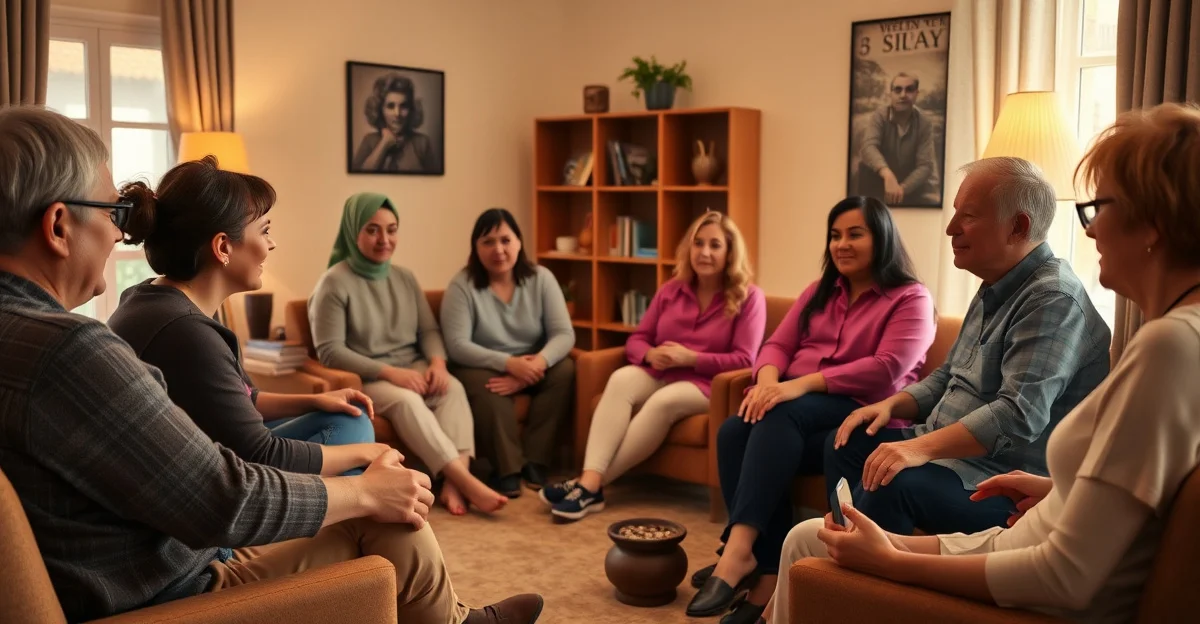
Support Communities: Connecting with others who understand—whether online or in person—creates a sense of belonging. Hearing others’ stories and sharing your own can be incredibly healing. You realize you’re not the only one, and that matters.
Family Involvement: Gambling addiction affects loved ones too. Family counseling or therapy can help repair relationships and build a support network around your recovery. If your family is willing, their involvement can be a significant protective factor.
Digital Tools and Apps: Mobile resources like HOLDON provide structured self-assessment, daily check-ins, and educational content you can access anytime. Many people find having a tool on their phone makes consistent self-reflection much easier.
Peer Support Groups: Whether virtual or in-person, groups centered on gambling recovery provide community without pressure. You control how much you share.
When Crisis Support Is Needed
If you’re experiencing intense urges to gamble right now, or if gambling has created an immediate financial crisis, don’t wait. Reach out to a crisis helpline or professional service immediately. Some situations benefit from urgent intervention, and seeking that help is a sign of strength, not weakness.
Taking the First Step Today
Recovery begins with a single decision: to look honestly at where you are and to reach out for help. That decision—the one that brought you here—is already significant.
You don’t need to have everything figured out. You don’t need to commit to a perfect recovery plan. You just need to take the next small step. Whether that’s completing a self-assessment, calling a helpline, downloading an app, or talking to someone you trust, that action matters.
Remember: recovery isn’t linear, and it’s not something you have to do alone. Support exists specifically because recovery is hard and humans are stronger together. The resources you need are available to you. The question is simply: are you ready to reach for them?
Find your support resources
Complete a self-assessment worksheet in the HOLDON app. Identify your current situation and discover which support options align with your needs.
HOLDON 앱에서 확인 →Need help?
- National Problem Gambling Helpline 1-800-522-4700
- Crisis Text Line Text HOME to 741741