Breathing Techniques to Calm Your Mind During Recovery
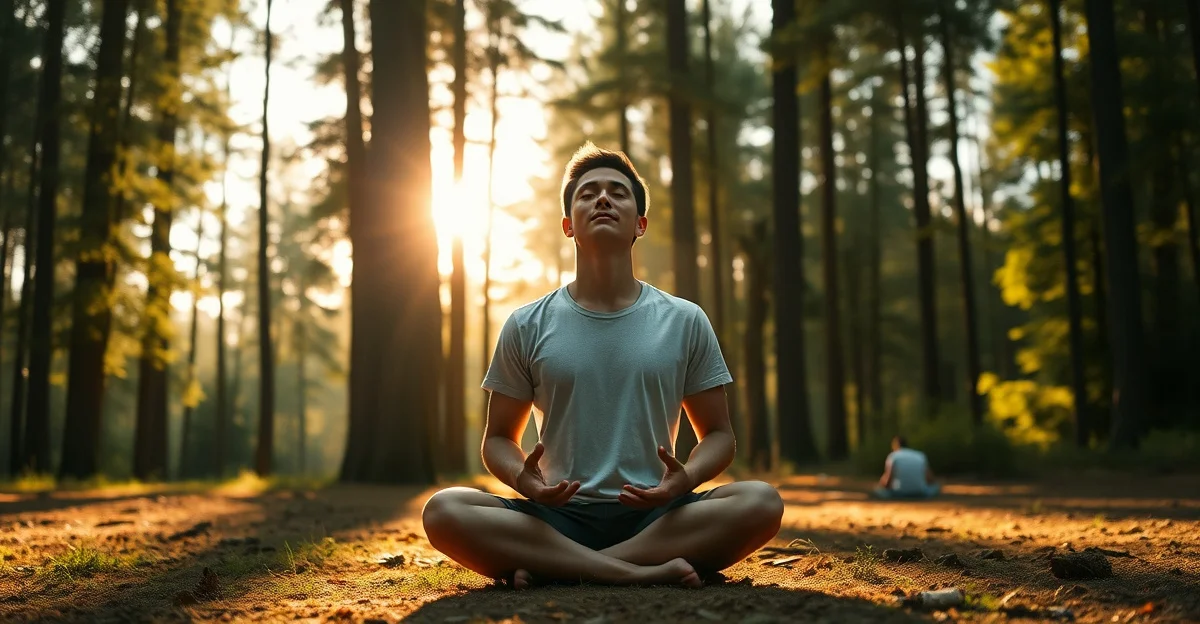
Recovery isn’t a smooth, straight path. You’ll encounter unexpected waves of emotion—sudden anxiety, waves of sadness, or moments when old cravings feel overwhelming. These emotional spikes can feel unbearable, and that’s when the pull to return to old habits feels strongest.
But here’s something hopeful: your body already has a built-in tool to help you through these moments. It’s something you’ve had your entire life and can access anytime, anywhere. It’s your breath.
Breathing is one part of your nervous system that you can actually control. By learning to breathe intentionally, you can calm your mind, steady your emotions, and build real resilience for recovery.
Why Breathing Matters for Emotional Regulation
When anxiety or stress hits, your breathing naturally becomes shallow and rapid. Your body enters a state of high alert—what we call “fight or flight.” This physical response can intensify emotional pain and make cravings feel more urgent.
The good news? You can reverse this. Slow, deep breathing sends a different signal to your nervous system: you are safe. This activates your body’s calming response, helping you regain control when emotions feel out of hand.

How Breathing Calms Your Nervous System
Slow, deliberate breathing activates your parasympathetic nervous system—the part responsible for rest and recovery. This lowers your heart rate, reduces anxiety, and helps you think more clearly during emotional moments.
Three Breathing Techniques for Recovery
The 4-7-8 Breath: For Deep Calm
This is perhaps the most powerful technique for managing intense emotions. It’s simple but remarkably effective.
- Breathe in slowly through your nose for a count of 4
- Hold your breath for a count of 7
- Exhale slowly through your mouth for a count of 8
- Repeat 4-5 times
The longer exhale is key—it tells your nervous system that it’s time to relax. Use this technique when you feel emotions building or when cravings start to surface.
Belly Breathing: Grounding Through Depth
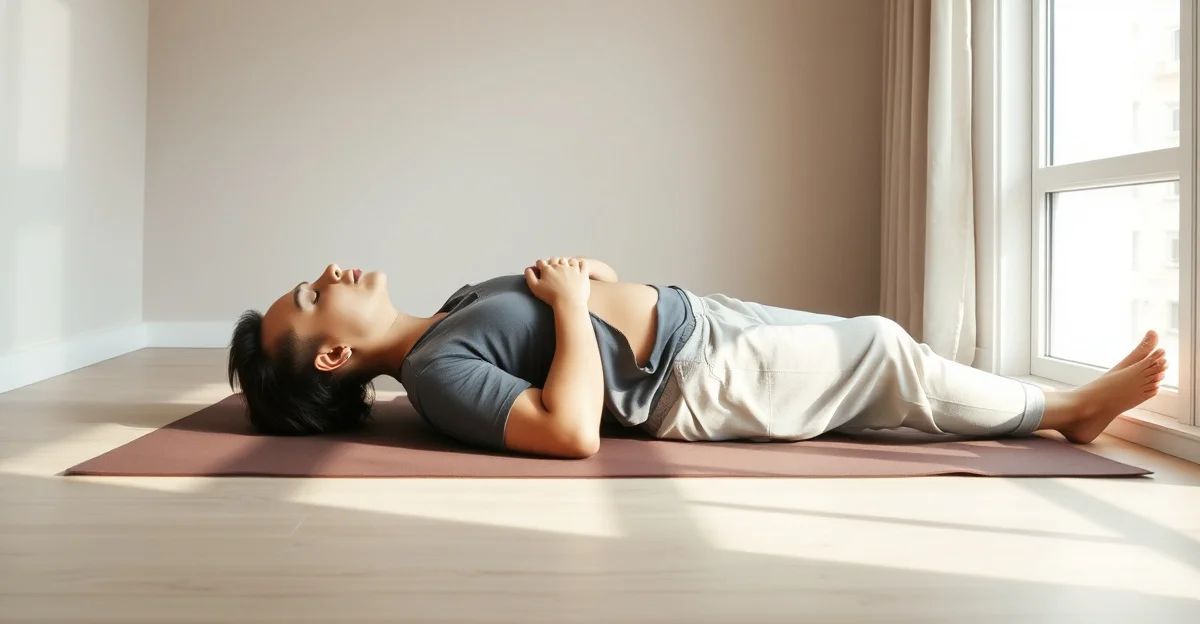
Many people breathe only from the chest, which keeps the nervous system in a mild state of alert. Belly breathing (diaphragmatic breathing) is deeper and more natural—it’s how babies breathe naturally.
- Sit or lie in a comfortable position
- Place one hand on your chest, one on your belly
- Breathe in slowly through your nose, letting your belly expand (not your chest)
- Exhale slowly through your mouth
- Continue for 3-5 minutes
This technique is excellent for daily practice because it retrains your body to breathe more fully. Try it in the morning to set a calm tone for your day.
Starting Your Breathing Practice
It might feel awkward at first—and that’s completely normal. Spend just 2-3 minutes daily with one technique, and within a week, your body will begin to recognize and respond to it. The best times to practice are right after waking or before sleep, when you’re least rushed.
Box Breathing: For Moments of Crisis
When you need immediate relief—when anxiety spikes or a craving feels urgent—box breathing is your fastest tool.
- Inhale for 4 counts
- Hold for 4 counts
- Exhale for 4 counts
- Hold for 4 counts
- Repeat 5-10 times
The beauty of box breathing is that you can do it anywhere—at your desk, on the bus, in a bathroom at a family gathering. It takes just 3-5 minutes to shift your emotional state.
Building Breathing Into Your Recovery Routine
The real power of these techniques comes from consistency, not emergency use. Your goal is to practice regularly so that when difficult moments arrive, your body already knows how to respond.
Create a simple daily rhythm:
- Morning: 2 minutes of belly breathing to start calm
- Midday: One round of box breathing when stress peaks
- Evening: 4-7-8 breathing before bed to process the day
What to Know as You Begin
Some people feel lightheaded when starting breathing exercises—this is usually normal and passes quickly. Start slowly with shorter counts and build up gradually. If dizziness or discomfort persists, speak with a healthcare provider.
The Bigger Picture
Emotional regulation isn’t about eliminating difficult feelings. Recovery will always have challenging moments. But with breathing techniques, you’re learning to meet those moments with calm instead of panic, with clarity instead of desperation.
Every time you use these tools, you’re strengthening a different pathway in your nervous system—one that says: I can handle this. I am capable. I can choose differently.
That choice, made moment by moment through practices like intentional breathing, is what true recovery is built on.
Need help?
- National Problem Gambling Helpline 1-800-522-4700
- Crisis Text Line Text HOME to 741741