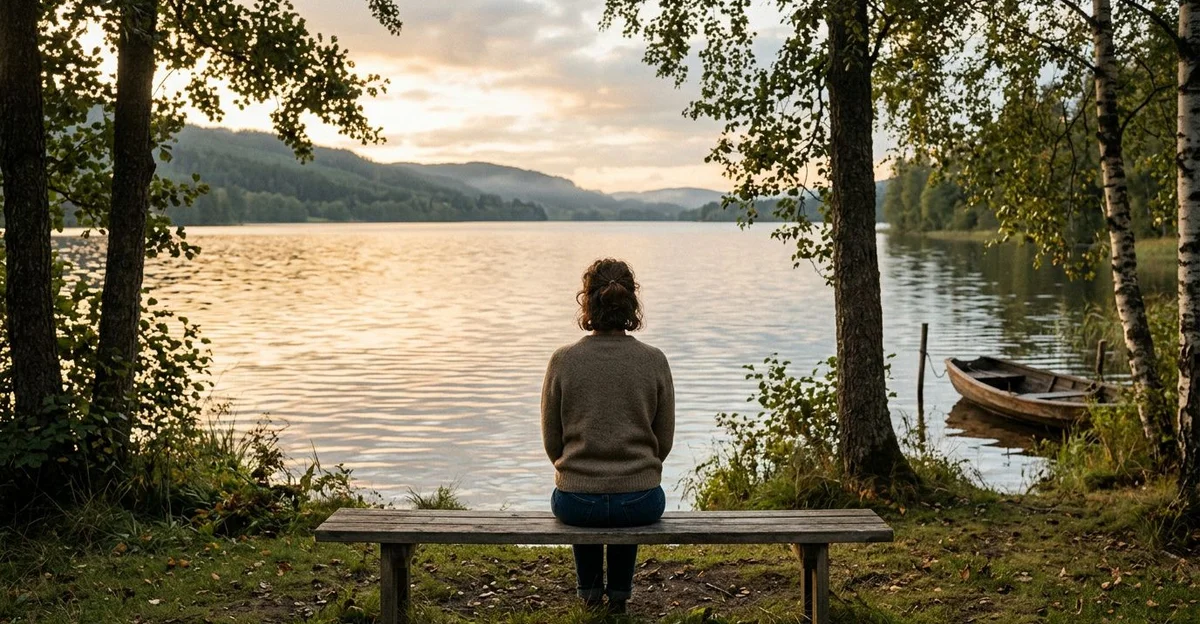
When Emotions Overwhelm You, Change Your Space
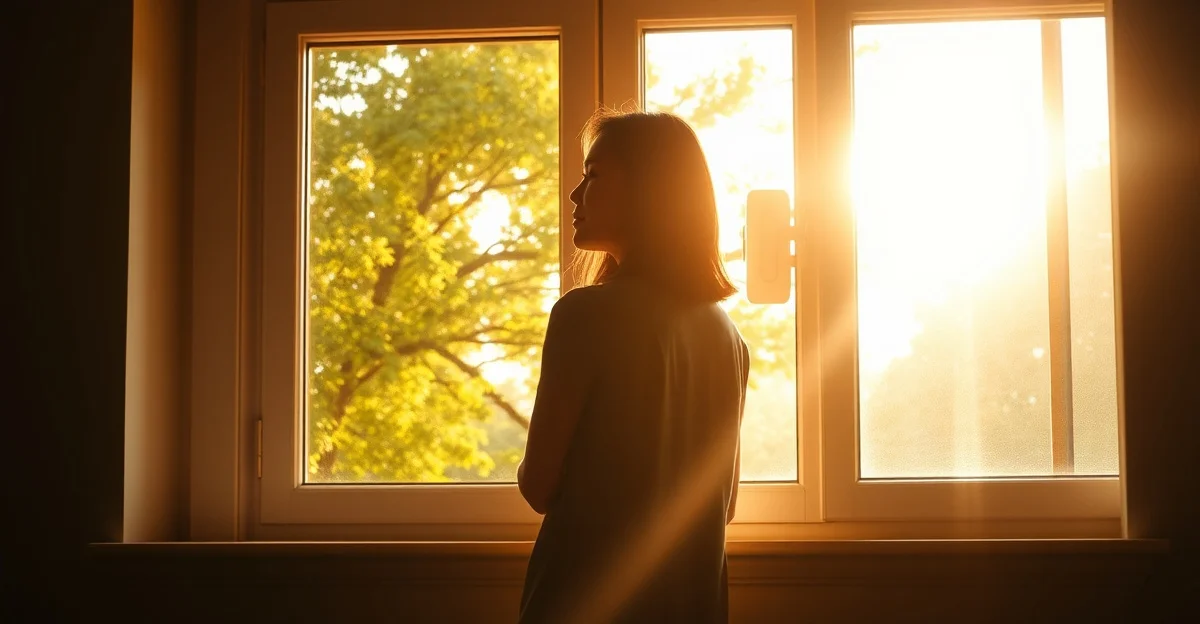
During your recovery journey, there will be moments when emotions feel overwhelming. Anxiety creeps in. Restlessness takes hold. Sudden urges appear without warning. When these waves of emotion hit, how do you respond?
The answer might be simpler than you think: change where you are.
Why Emotions Feel Trapped in One Place
When you’re in recovery from gambling addiction, staying in the same physical space for too long can intensify difficult feelings. Your mind becomes heavier. Negative thoughts circle back repeatedly. The urge to gamble grows stronger. This happens because our brains and emotions are deeply connected to our environment.
Your brain remembers not just what happened in a place, but how you felt there. When you sit in the same chair for hours, the emotions and patterns of thought from earlier sessions naturally resurface. It’s almost automatic—the environment triggers the feeling.
This is why one of the most effective, yet underrated, tools in emotional regulation is also the simplest: moving to a different space.

Environment and Emotion Are Connected
Your brain stores memories along with the locations where they happened. When you move to a new environment, your attention naturally shifts to the present moment. This can help interrupt intense emotional patterns and break the cycle of overwhelming thoughts.
Simple Ways to Change Your Space Right Now
Changing your space doesn’t require dramatic action. You don’t need to leave your home or make big plans. Even small movements work.
Practical steps you can take immediately:
- Get up from your bed and move to the living room
- Walk to a window or go outside, even for just five minutes
- Sit in a different chair in another room
- Step outside your front door and breathe
- Go to the bathroom, wash your hands, and look in the mirror
The key is movement. When you physically shift your location, your mind follows. Your body registers the change, and your attention returns to what’s happening right now—not to the overwhelming emotion.
The Three-Step Space Change Method
Step 1: Stand up from where you are. Staying seated keeps emotions rooted in place.
Step 2: Move to a different location. A spot with natural light or a window is ideal.
Step 3: Once there, take three slow breaths. Look around and notice small details—a color, a sound, the feeling of air on your skin.
Pair Movement With Small Actions
Simply changing location helps. Pairing it with a simple activity makes it even more powerful.
When you go outside: Notice the sky, listen to sounds around you, feel the temperature of the air.
When you move to another room: Do a quick stretch, drink water slowly, or sit for a moment without your phone.
When you’re by a window: Really look at what’s outside. Follow a tree swaying in the wind. Watch clouds move. Let your eyes rest on distant objects.
These small acts anchor you to the present moment. During difficult emotions in recovery, your mind often gets trapped—stuck replaying past gambling moments or worrying about future cravings. By changing your environment and engaging your senses, you bring yourself back to right now. And right now, you’re safe.

Making It a Recovery Practice
This isn’t about avoiding your feelings. It’s about giving yourself room to breathe so those feelings don’t consume you whole.
Many people in recovery worry they’re “running away” if they change their environment. But there’s an important difference: avoidance means refusing to feel anything, while space-changing means creating enough distance to feel things without being overwhelmed by them. One weakens recovery. The other supports it.
The more you practice this, the more natural it becomes. Your body will eventually recognize the pattern: emotion rises → I move → my mind clears. After weeks and months of practice, this becomes automatic. You won’t have to think about it anymore.
When Space-Changing Isn't Enough
If you change your location and the urge to gamble or overwhelming emotion still persists, don’t try to handle it alone. Reach out to a counselor, call a support line, or use your support network. There’s no shame in needing additional help—that’s part of recovery.
You’re Building a New Habit
Recovery from gambling addiction happens through small, repeated choices. Every time you feel emotion rising and you choose to move instead of staying still, you’re choosing yourself. You’re choosing the path forward.
The first few times might feel awkward or pointless. Keep going. By the hundredth time, it will be different. Your mind and body will understand: this works. And the urge to gamble, which once felt inevitable, will begin to lose its grip.
This is how recovery builds. Not through dramatic moments, but through quiet, consistent choices to care for yourself—one space change at a time.
You are not alone in this. HOLDON is here with you at every step.
Need help?
- National Problem Gambling Helpline 1-800-522-4700
- Crisis Text Line Text HOME to 741741