Replacing Gambling With Healthy Hobbies: Finding Activities That Fulfill You

The Role of Hobbies in Your Recovery
When you step away from gambling, you often face something unexpected: empty time. Lots of it. Gambling filled hours with intense focus and stimulation, leaving your brain accustomed to that level of engagement. The sudden absence can feel disorienting, even painful.
This is where healthy hobbies become more than just a way to pass time—they become essential to recovery. The right activities can provide your brain with meaningful stimulation, a sense of accomplishment, and the chance to reconnect with parts of yourself that gambling pushed aside.
The key difference is how these activities stimulate you. Rather than triggering the addictive reward cycle, healthy hobbies activate natural dopamine pathways in safer, sustainable ways. They give your nervous system something positive to focus on while your brain rewires itself.
Why Hobbies Matter for Recovery
Having a plan for what you’ll do when cravings hit makes all the difference. When you feel the urge to gamble, a prepared hobby activity gives you something to turn to immediately—interrupting the craving cycle before it gains momentum.
Movement-Based Activities: The Natural Mood Booster
Physical activity is one of the most reliable ways to trigger healthy dopamine release. You don’t need intense workouts—even gentle movement counts.
Consider these options:
- Walking or jogging: Low barrier to entry, go at your own pace, and you can do it almost anywhere
- Yoga or Pilates: Calms both body and mind while building strength
- Cycling: Combines physical activity with exploration and a change of scenery
- Swimming: Full-body exercise with an almost meditative quality
- Dancing: Fun, expressive, and a natural mood lifter
- Gardening: Connects you with growth and nature while staying active
The trap many people fall into is starting too ambitiously. If you push yourself to exhaustion in week one, you’ll likely abandon the activity by week three. Instead, choose a pace and intensity you genuinely enjoy—that’s what makes it sustainable.
Creative Expression: Channeling Your Energy Into Something Tangible
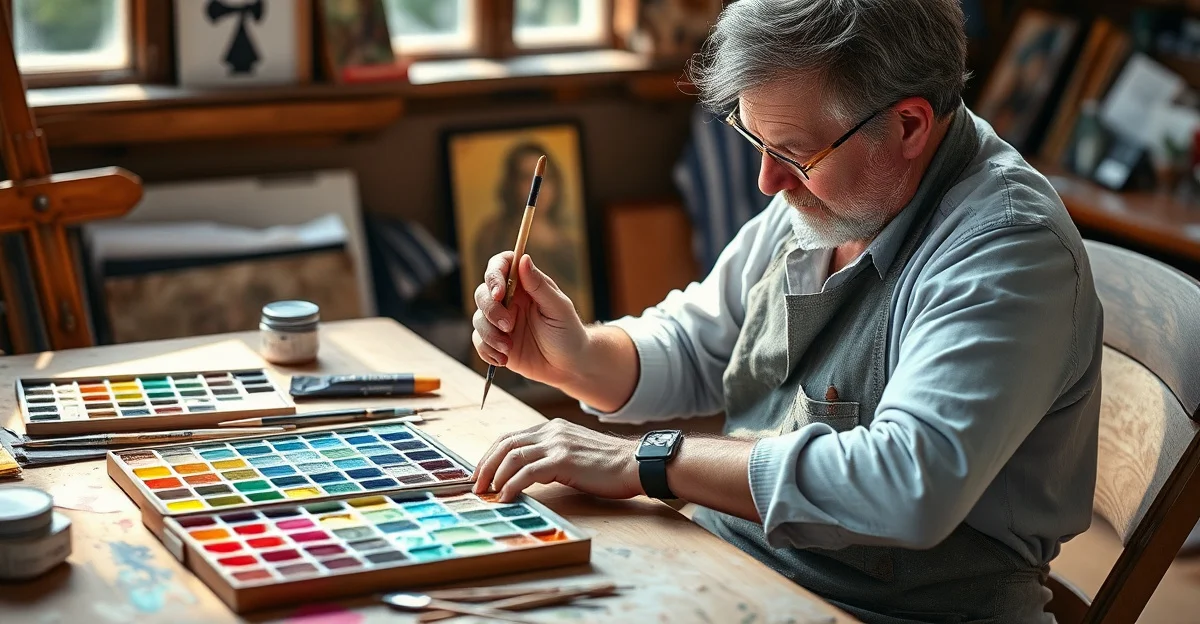
Creative hobbies—painting, writing, music, photography, crafting—engage different parts of your brain than movement does. They have unique benefits:
- They anchor you firmly in the present moment
- They give you a tangible thing to show for your time
- Progress is visible, even in small increments
- The process itself becomes rewarding, not just the end result
You might worry about not being “good enough” to pursue creative hobbies. Let go of that thought. The goal isn’t to create masterpieces; it’s to experience the therapeutic power of creating something with your hands and mind.
How to Start a Creative Hobby
Pick one thing that genuinely interests you, then gather only the basics you need. You don’t need expensive supplies—check out library books, free online tutorials, or community classes. Set a regular time (even just 30 minutes, 3-4 times a week) and stick to it. Consistency matters more than duration when building a new habit.
Mindfulness Practices: Quieting the Noise
While creative hobbies express energy outward, practices like meditation and reading draw energy inward. Both are powerful recovery tools:
- They reduce anxiety and restlessness
- They help you understand your own thoughts and feelings
- They build your capacity to sit with discomfort without immediately reaching for escape
You don’t need to be a meditation expert. Start with just 5-10 minutes using a simple app or guided audio. For reading, begin with genres or topics you’re already curious about—that natural interest makes the habit stick much more easily.
Building Your Personal Recovery Toolkit
The real power comes from mixing and matching. Maybe your week includes a morning walk (movement), an evening creative session (expression), and 10 minutes of meditation before bed (mindfulness). Different activities serve different needs at different times.
Start by trying several activities without judgment. Some will resonate with you immediately; others won’t. That’s completely normal. What matters is that you find at least 2-3 hobbies you genuinely look forward to.
Protecting Your Space
If you choose online hobbies like gaming, writing, or music communities, be intentional about where you spend time. Avoid platforms or communities that might expose you to gambling content or other triggers. Ask a friend or family member to help set phone filters if needed.
Your First Step Forward
Recovery isn’t just about removing gambling from your life—it’s about building something better in its place. Healthy hobbies are how you do that. They’re how you discover interests you’d forgotten about, develop new skills, and prove to yourself that fulfillment comes from doing things that matter to you.
You don’t need to find the perfect hobby today. You just need to try one thing this week. That’s where recovery starts.
Need help?
- National Problem Gambling Helpline 1-800-522-4700
- Crisis Text Line Text HOME to 741741