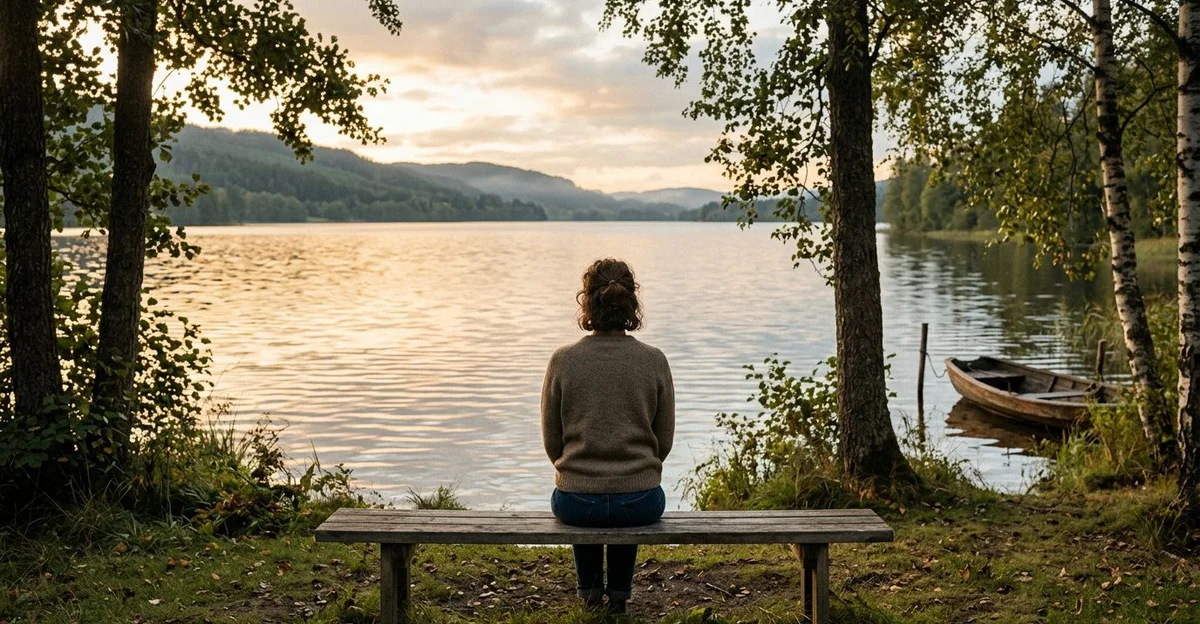
Preparing for Long Stretches Alone During Recovery

One of the hardest moments in gambling addiction recovery often comes when you’re alone. When others are around, you may feel fine—but as those quiet stretches extend, the pull to turn back to gambling can become overwhelming. If you’ve experienced this, you’re not alone in feeling that way.
The good news? You can prepare for it. By setting up your environment thoughtfully and establishing structures beforehand, those solitary hours can become hours that actually support your recovery rather than work against it.
Identify and Remove Environmental Triggers
Your surroundings matter far more than most people realize. The devices in your hands—your phone, computer, tablet—make gambling sites and apps just a few taps away. When you’re alone and bored, that accessibility can be dangerous.

Your environment shapes your choices
Recovery isn’t just about willpower. The spaces you inhabit, the tools you have access to, and the cues around you all influence what you’re likely to do. Rather than relying solely on self-discipline, changing your environment itself is often far more effective.
Here are practical ways to reduce access and temptation:
- Limit device access: Delete gambling apps and websites. If helpful, ask a trusted person to set up parental controls or passwords so you can’t quickly bypass them.
- Use blocking software: Install internet filters that automatically block gambling sites. This creates friction—a pause between impulse and action.
- Redesign your space: If certain rooms or corners trigger memories of gambling or urges, physically change them. Rearrange furniture, change the lighting, or work in a different area of your home.
Fill the Empty Hours with Meaningful Activity
Simply removing triggers isn’t enough. You need something to do instead. When long stretches alone are filled with activities that matter to you, urges naturally diminish.

Create an activity menu for solitude
Before the next stretch of alone time arrives, write down activities you can turn to. Reading, walking, cooking, drawing, learning an instrument, gardening—even small things count. Activities that keep both your hands and mind engaged (like knitting, model building, or learning an instrument) are particularly helpful for managing urges.
The key is choosing things you actually enjoy, not activities you think you “should” do. When something feels forced, you won’t stick with it. Start small. Experiment. Find what genuinely captures your attention and feels worthwhile.
Structure Your Time with Routine
Unstructured time is dangerous. When there’s no plan, no schedule, no rhythm to your day, the silence and freedom can amplify cravings. A simple daily routine gives your hours shape and purpose.
Unstructured time amplifies urges
Hours with nothing to do and no structure create space for gambling urges to grow. By dividing your day into chunks with specific activities, you reduce both idle time and the mental space where cravings take hold.
Consider building a basic daily rhythm like this:
- Morning: Start with 20–30 minutes of movement—a walk, stretch, or light exercise
- Mid-morning: Focused activity like reading, learning something new, or a hobby
- Lunch: Eat something nourishing; take a real break
- Afternoon: Work, study, skill-building, or creative projects
- Evening: Record your day in the HOLDON app, try meditation or gentle movement
- Night: Connect with someone you trust, read, or prepare for good sleep

The goal isn’t perfection—it’s preventing long stretches where your mind has nowhere to go but back to old patterns.
Create a Safety Net for When You Need Support
You can’t do this entirely alone, and you shouldn’t try. Before you need it, establish how you’ll reach out when urges feel unmanageable.
HOLDON's support features
When alone time feels difficult, the app connects you immediately to resources—whether that's a conversation with a counselor, peer support, or grounding tools designed to help you ride out tough moments.
HOLDON 앱에서 확인 →Set up multiple ways to get help:
- Trusted contacts: Have the phone numbers of 2–3 people you can call without hesitation—family, friends, or a counselor
- Online communities: Connect with others in recovery through platforms like HOLDON, where you can talk to people who truly understand
- Professional support: Have the details of a therapist, addiction counselor, or local support group readily available
Making It Stick
Preparing for alone time isn’t a one-time task—it’s something you refine as you go. After your first stretch with these preparations in place, notice what worked and what didn’t. Adjust accordingly.
Extended solitude is a natural part of recovery. But with a modified environment, purposeful activities, a basic routine, and a safety net in place, those hours don’t have to be dangerous. They can become some of the most grounding, restorative time in your day.
Your recovery is worth protecting. These small acts of preparation are how you do it.
Need help?
- National Problem Gambling Helpline 1-800-522-4700
- Crisis Text Line Text HOME to 741741