Overcoming Loneliness in Recovery: Building Meaningful Connections

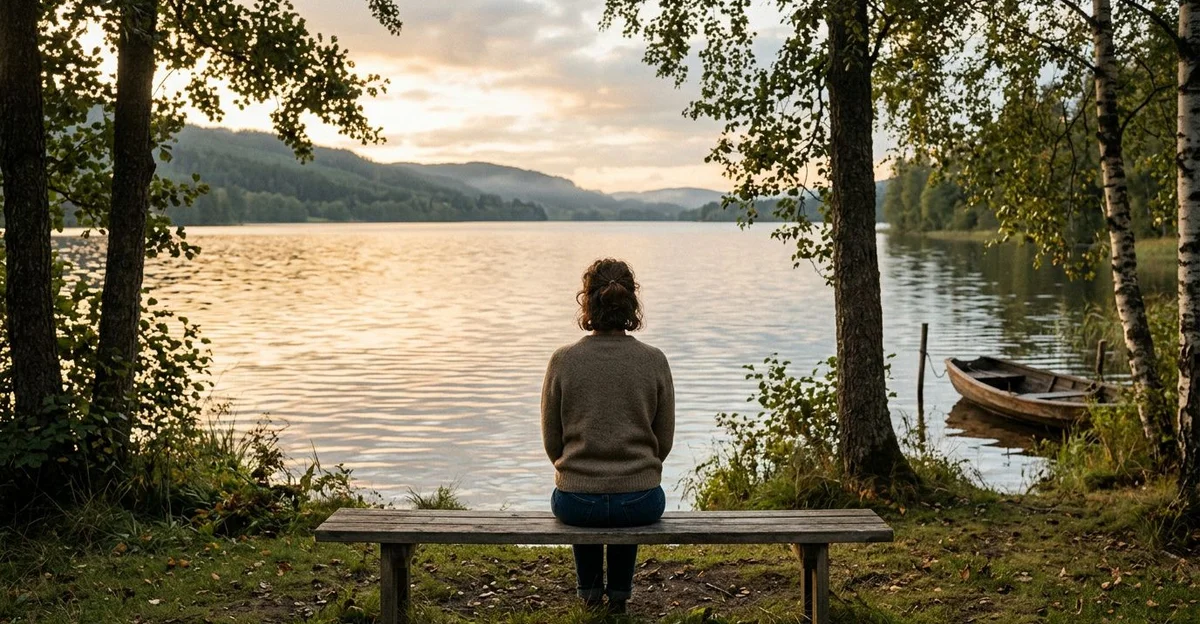
When you stop gambling, something unexpected often happens: the silence. The hours that were once filled—the people you saw regularly, the routines you followed—suddenly disappear. What fills that gap is a feeling many people in recovery don’t anticipate: loneliness.
This loneliness isn’t a sign of failure. It’s actually a sign that you’re building something real and different. The challenge is learning to sit with this feeling while actively creating the connections that will sustain your recovery.
Recognizing Loneliness as Part of the Process
When you were gambling, that activity served multiple purposes at once. It filled time. It numbed emotions. It provided a sense of community, however unhealthy. Now that you’ve removed that structure, the emptiness you feel is natural.
Loneliness Isn't a Setback
Feeling lonely during recovery means you’re genuinely changing your life. This discomfort is a sign of growth, not weakness. Many people who recover successfully describe early loneliness as the moment they realized how much their life needed to shift.
The key is not to see loneliness as something to escape from immediately, but as something to understand and gradually move through. You’re not just stopping a behavior—you’re rebuilding an entire social life. That takes time.
Reassessing Relationships Tied to Gambling
Before you can build new connections, you need to be honest about the old ones.
The people you gambled with—whether they were regular companions or casual acquaintances—represent a connection to your old life. Maintaining those relationships while trying to recover is like trying to learn to swim while standing in quicksand. It’s theoretically possible, but practically very difficult.
This doesn’t mean you’re rejecting people. It means you’re protecting yourself. There’s a difference.
Evaluating Your Current Relationships
Ask yourself honestly:
- Do these people primarily know me through gambling activities?
- Do I feel the urge to gamble when I’m with them?
- Have any of them expressed concern about my gambling?
- Would they support my recovery, or would they try to pull me back?
- Can this relationship survive without gambling as the centerpiece?
You don’t need to cut people off coldly. Sometimes it’s a gradual fade. Sometimes it’s a straightforward conversation. But creating distance from gambling-centered relationships is an act of self-care, not selfishness.
Building Connections That Actually Support Your Recovery
Now comes the constructive part: finding people and activities that feed your recovery instead of threatening it.
Find Community Through Shared Interests
Recovery needs structure and purpose. Look for groups or activities centered around something you genuinely care about—cooking classes, running clubs, book discussions, volunteer work, hiking groups, art studios. It doesn’t matter what the activity is. What matters is that the connection isn’t built on gambling.
When you meet people through shared interests, conversations naturally develop depth. You’re not just killing time together—you’re building something. These connections tend to last because they’re based on genuine common ground.
Connect With Others in Recovery
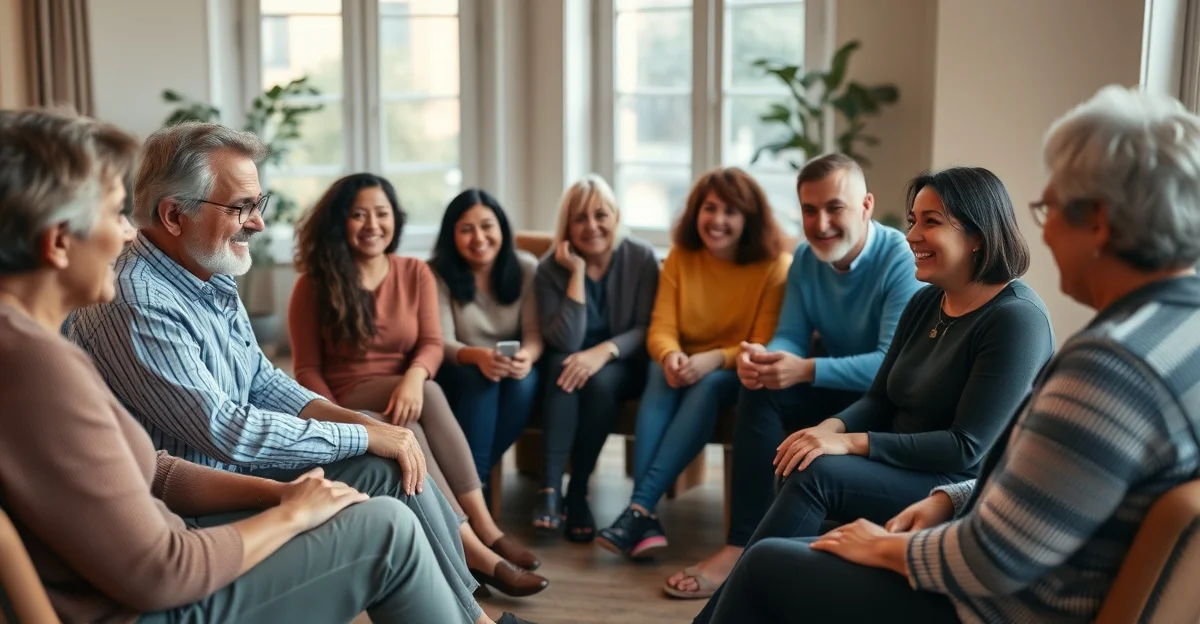
There’s something irreplaceable about talking with someone who understands what you’re going through. Whether it’s an online community, a support group, or a one-on-one conversation with someone else in recovery, these connections offer something unique: mutual understanding without judgment.

These spaces give you permission to be honest about how hard this is. You don’t have to pretend you’re fine. You can talk about the cravings, the boredom, the sadness—and find people who not only understand but who are learning to navigate the same challenges.
Pace Matters
Don’t rush into new relationships or groups out of desperation to fill the void. Loneliness can sometimes push us toward unhealthy patterns—even if those patterns look different from gambling. Choose slowly and intentionally. One good connection is worth more than ten surface-level ones.
Making Solitude Meaningful
Loneliness and solitude aren’t the same thing. Solitude can be restorative; loneliness feels isolating. Learning to transform some of your alone time into solitude is part of building a sustainable recovery.
Invest in Self-Care Practices
Walking, meditation, journaling, drawing, cooking, gardening—activities where it’s just you and your own attention. These aren’t distractions. They’re ways of rebuilding your relationship with yourself. Many people find that when they develop practices they actually enjoy doing alone, the loneliness begins to shift. You’re no longer avoiding yourself; you’re learning to enjoy your own company.
Channel Energy Into Growth
Learning something new—whether it’s a language, a skill, a subject—gives your brain something to work toward. It creates a sense of direction. It also opens doors to new communities of people interested in the same things.
HOLDON Community Connection
Find support from others on the same recovery path. HOLDON's community features let you share experiences, ask questions, and build relationships with people who genuinely understand what you're going through—all in a safe, moderated space designed specifically for recovery.
HOLDON 앱에서 확인 →Moving Forward
Loneliness in early recovery is real and valid. But it’s also temporary—not in the sense that it goes away overnight, but in the sense that it transforms. As you build new connections, invest in meaningful activities, and learn to value your own company, the sharp edge of loneliness gradually dulls. You replace it with something richer: genuine human connection and self-respect.
Recovery isn’t about never feeling lonely. It’s about learning that loneliness doesn’t have to lead you back to old patterns. It can lead you toward something better.
Need help?
- National Problem Gambling Helpline 1-800-522-4700
- Crisis Text Line Text HOME to 741741