Foods That Help Calm Anxiety During Recovery

Anxiety During Early Recovery Is Natural
When you first step away from gambling, feeling anxious is a completely normal response. Your body and mind are adjusting to a new pattern, and that transition can bring physical sensations and emotional waves. During this time, taking care of yourself through what you eat matters more than you might realize.
Here’s something encouraging: the food you choose can genuinely help ease anxiety. Proper nutrition stabilizes your nervous system, helps regulate your mood, and supports your body as it finds new balance. You’re not just managing symptoms—you’re actively supporting your recovery through nourishment.
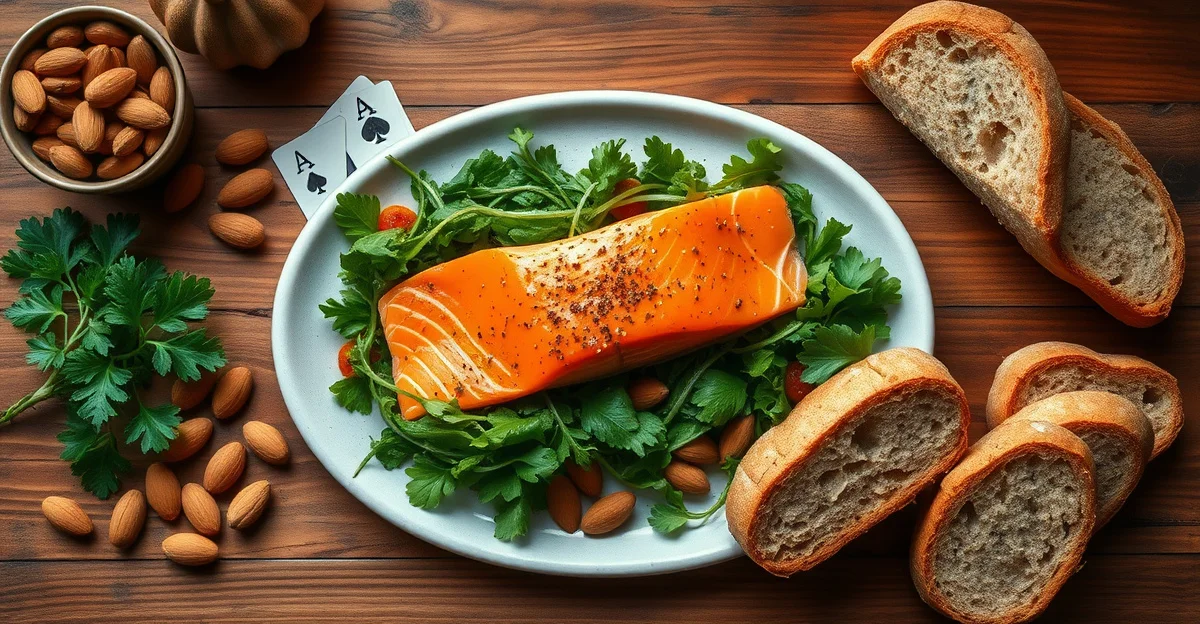
How Nutrition Supports Your Nervous System
The anxiety you experience during recovery often reflects your nervous system recalibrating. Certain nutrients help your brain produce calming neurotransmitters and steady your body’s stress response. Think of food as a tool—not a cure, but genuine support.
Key Nutrients That Reduce Anxiety
Magnesium: Nature’s Calming Mineral
Magnesium is one of the most effective minerals for quieting an overactive nervous system. It’s abundant in almonds, pumpkin seeds, dark leafy greens like spinach, and pumpkin. When your body has adequate magnesium, muscle tension decreases and you often feel noticeably calmer. A handful of almonds as a snack or a spinach salad with lunch can make a real difference.
Omega-3 Fatty Acids for Brain Balance
Fatty fish like salmon, mackerel, and sardines contain omega-3s that directly support brain health and mood stability. These aren’t just general wellness claims—your brain actually uses these fats to function better and regulate emotions. Aim for two to three servings weekly. If you don’t eat fish, walnuts and flax seeds offer plant-based alternatives.
B Vitamins for Energy and Stability
Whole grains, eggs, and dairy products are rich in B vitamins that support your nervous system and help regulate stress hormones. During early recovery, when your energy feels depleted, B vitamins help your body rebuild. Think of them as fuel for your recovery—they matter.

Simple Food Swaps to Start Today
You don’t need to overhaul everything at once. Try these gentle changes:
- Breakfast: Scrambled eggs with whole-grain toast, or Greek yogurt with almonds
- Snacks: A banana with almond butter, raw carrots, or a small handful of walnuts
- Dinner: Grilled salmon or tofu with roasted vegetables and brown rice
- Beverages: Herbal tea like chamomile in the evening, or warm milk
Small, consistent choices build stability in your body and mind.
Foods to Approach With Caution
During recovery, your body is in a sensitive state. Caffeine can trigger anxiety and disrupt sleep, which you need for healing. Excessive sugar creates blood sugar spikes that intensify mood swings and anxiety. This doesn’t mean you can never have coffee again, but reducing or timing it differently (like avoiding afternoon cups) can help significantly.
Alcohol might feel like it eases anxiety temporarily, but it actually destabilizes your nervous system and directly interferes with recovery. Your brain is working hard to find new balance—alcohol works against that process.
Practical Ways to Make This Sustainable
The key isn’t perfection. You’re not aiming to eat “perfectly”—you’re simply making choices that support your recovery. Start with one or two foods from the suggestions above and incorporate them naturally into what you already eat. Just like recovery itself, small, steady changes create meaningful difference over time.
Consider keeping a simple note of how you feel when you eat certain foods. You might notice that after eating salmon and vegetables, your anxiety feels more manageable. After skipping breakfast or having lots of coffee, it might feel worse. This awareness itself is powerful.
Important Note on Individual Health
This information offers general guidance. If you have specific health conditions, take medications, or have nutritional concerns, please discuss these approaches with a healthcare provider or registered dietitian. What works for one person may differ for another.
You’re Caring for Yourself
Taking time to choose nourishing foods isn’t weakness—it’s one of the most concrete ways to support your recovery. Every healthy choice you make sends a message to yourself: I’m worth caring for. That matters deeply in this journey.
Move forward at your own pace, with meals that feel manageable and realistic for your life. Recovery is built on these kinds of small, consistent acts of self-care.
Need help?
- National Problem Gambling Helpline 1-800-522-4700
- Crisis Text Line Text HOME to 741741