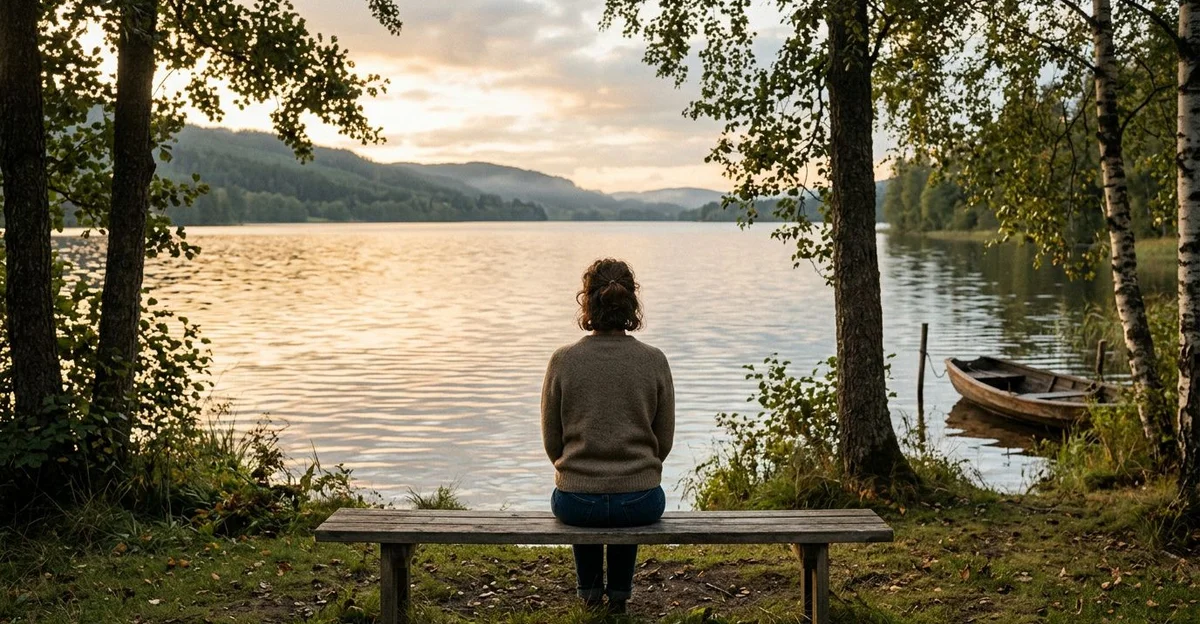
Finding Meaningful Hobbies to Replace Gambling

Recovery from gambling addiction isn’t just about stopping—it’s about building something to fill that space. When you step away from gambling, you’re left with empty hours and emotional gaps that can quickly pull you back. But here’s the encouraging truth: discovering the right healthy hobbies gives your brain the satisfaction it craves in ways that actually strengthen your recovery, not undermine it.
Why New Activities Matter in Recovery
Gambling exploits how your brain processes reward. It delivers intense, immediate satisfaction that’s hard to replicate naturally. During recovery, you need to reactivate your reward system through healthier channels—not to replace one addiction with another, but to show yourself what genuine fulfillment feels like.
The Foundation of Lasting Recovery
Stopping gambling is the first step, but filling that space with positive activities is what makes recovery stick. You’re not just saying no to something—you’re saying yes to a better life.

The activities you choose should provide some of that immediate gratification you’re used to, while also building something deeper: a sense of progress, connection, and genuine accomplishment that doesn’t fade when the activity ends.
Three Principles for Choosing Meaningful Hobbies
When selecting leisure recovery activities, keep these principles in mind:
First: Look for Quick Wins Your brain has gotten used to immediate rewards. Choose activities that offer some quick satisfaction—seeing progress in your first session, completing a small project, or feeling the physical benefit of movement. Painting, exercise, cooking, and gaming (non-gambling video games) all deliver this. You’re honoring what your brain needs while redirecting it.
Second: Choose Activities with Growth Pick something where improvement is visible and ongoing. As weeks pass, you’ll notice you’re better at it. You’ll remember that first awkward attempt and feel pride in how far you’ve come. This builds the confidence that gambling tried to steal. Learning an instrument, developing a skill, training for a physical goal—these all work because they show you that dedication produces real results.
Third: Seek Connection While solo hobbies matter, the best healthy hobbies recovery stories often include other people. A yoga class, a running group, a workshop, an online community—these create accountability and belonging. Isolation feeds cravings; connection feeds recovery.

Proven Replacement Activities
Movement-Based Activities Jogging, yoga, swimming, cycling, dancing, hiking, martial arts. These work because they release endorphins, reduce anxiety, and give you physical proof that you’re capable—you’re stronger today than yesterday. Plus, they’re hard to do while thinking about gambling.
Creative Pursuits Writing, drawing, photography, music, woodworking, gardening, cooking. These demand focus and offer emotional expression. You create something that didn’t exist before, which activates the same reward circuits gambling hijacks—but in a way that builds self-esteem.
Learning-Based Activities Languages, coding, reading, podcasts, online courses, crafts. Learning itself is rewarding to the brain. Each new skill is evidence that you’re someone who grows and develops, not someone trapped in old patterns.
Service-Oriented Activities Volunteering, mentoring, helping friends, community involvement. These provide the deepest satisfaction—knowing you’ve made a difference. Purpose-driven activity is one of the strongest buffers against cravings.
How to Start
Think back to activities you enjoyed before gambling became consuming—or things you’ve always been curious about. Pick one. Commit to trying it three times before deciding if it’s right for you. Give yourself permission to be a beginner. The goal isn’t excellence; it’s consistency and connection.
Turning New Activities Into Lasting Habits
Starting is exciting. Three months in is harder. Here’s how to make your new hobby stick:
Set Small, Specific Goals Not “exercise more”—“walk 20 minutes on Tuesdays and Thursdays.” Clarity builds momentum.
Establish a Routine Same time, same place when possible. Your brain learns to expect and anticipate it. Routine removes the friction of deciding whether to do it.
Track Your Progress Keep a simple log. Note what you did, how long you did it, how you felt. Seeing patterns and improvement is its own reward.
Connect with Others Join a class, find a partner, or post in an online community. When someone is counting on you—or you’re part of a group—you’re far more likely to follow through.
Expect Plateaus There will be weeks where it feels boring or pointless. This is normal. Push through these moments. They always pass.
Activity Tracking in HOLDON
Use the app to log your new hobbies and activities. Watching your consistency build over weeks creates motivation and reminds you of the life you're creating—one that doesn't need gambling.
HOLDON 앱에서 확인 →A Life Built on What You Add, Not What You Subtract
Recovery works best when it’s not just about what you’re leaving behind. Every time you show up for your hobby—whether it’s the third time this week or the hundredth time this year—you’re proving to yourself that you can commit to something, that you can feel satisfied, and that your life has meaning without gambling.
The activities you choose now might surprise you. You might discover talents you didn’t know you had, communities that feel like home, or a sense of peace you thought was impossible. That’s recovery in its truest form.
Start small. Start today. Your future self will thank you.
Need help?
- National Problem Gambling Helpline 1-800-522-4700
- Crisis Text Line Text HOME to 741741