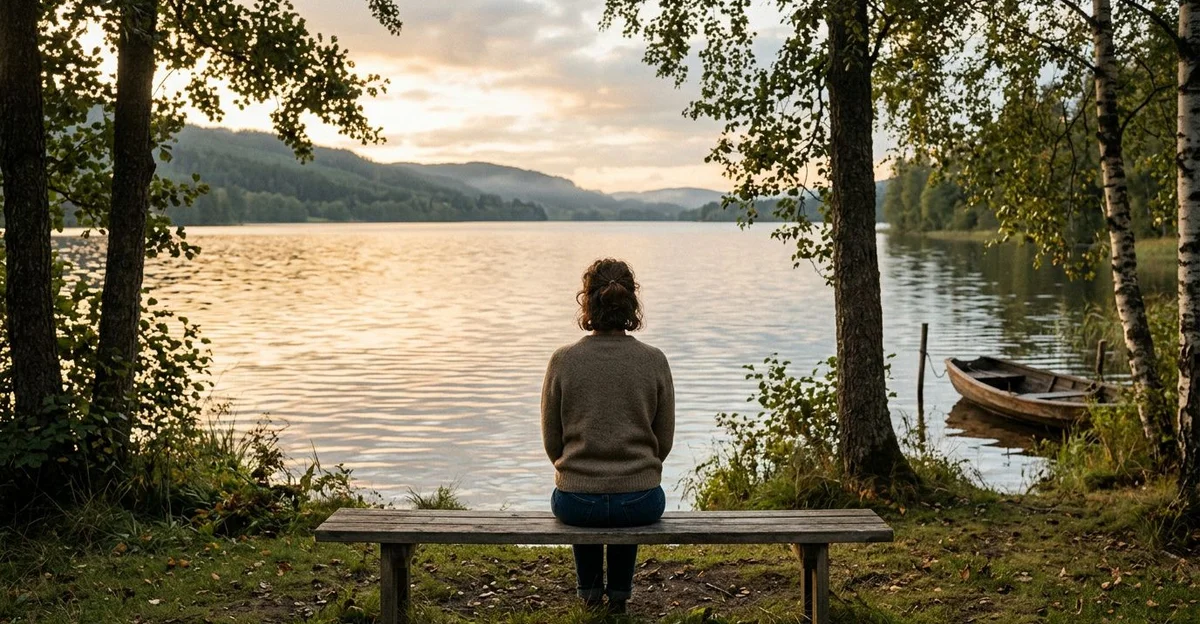
Creating a Safer Path: How to Navigate Around High-Risk Places in Recovery

One of the most powerful changes you can make in your gambling recovery is to reshape your physical environment. Where we go, who we see, and the routes we habitually take all influence our thoughts and choices. By identifying the places that trigger gambling urges and deliberately creating alternative paths, you’re taking a concrete step toward lasting recovery.
Recognizing Your High-Risk Locations
The first step is honest self-awareness about which places pull you toward gambling. These might be obvious—the convenience store where you used to place bets, the route past a betting venue, the coffee shop where you’d open a betting app. Or they might be more subtle: a particular street corner, a time of day when you’d pass through certain areas, even a specific transit stop.

Rather than labeling these places as simply “bad,” it’s more helpful to think of them as locations where, right now in your recovery, you need extra protection. This isn’t a permanent judgment. As your recovery strengthens, your relationship with these environments may change.
Mapping Your Vulnerable Places
Think back over the last month. Where were you when gambling urges hit strongest? Was it specific locations, certain times of day, or particular routes? Write these down. Understanding the pattern is where change begins.
Building Your Alternate Routes
Avoiding high-risk places doesn’t mean simply staying home. You still have a life to live—work to get to, errands to run, places to be. The real strategy is to plan alternative routes in advance, so that when your judgment is tired or your defenses are low, you automatically take the safer path.
If your usual route to work passes a place where you gambled, map out a detour now—while you’re thinking clearly. That way, on a difficult day, you won’t have to make the decision again; your plan will carry you through.
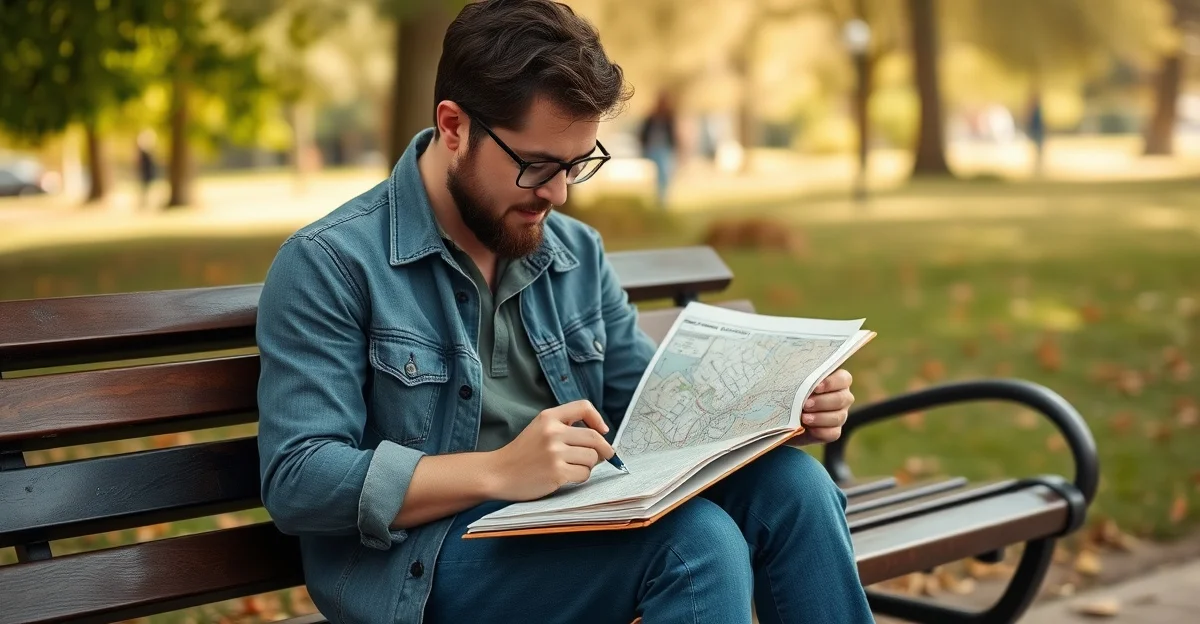
Creating Your Safer Route Map
Take a few minutes to physically map out your regular journeys—to work, to the store, to places you visit often. Identify any high-risk locations along these routes. Then plan 3-5 alternative paths that avoid them. Even better: travel these new routes several times over a few days so your brain becomes comfortable with them.
Redesigning Your Daily Life
Beyond simple avoidance, think about redesigning your daily structure itself. Recovery research shows that environmental changes work best when paired with intentional habit redesign:
- Time-based planning: Identify times when you felt strongest urges, and schedule different activities during those windows
- Emotional awareness: Certain feelings—loneliness, boredom, stress—made you more vulnerable. Plan where you’ll go or what you’ll do when those feelings arrive
- Positive spaces: Find places where you feel safer—a friend’s home, a library, a gym, a park—and make these your refuge spaces
These concrete plans become your protective structure, keeping you out of environments where old patterns live.
Environmental Change Isn't Enough Alone
Creating new routes and avoiding risky places is important, but it’s not the complete picture. Recovery also requires understanding your emotional triggers, recognizing unhelpful thought patterns, and building new coping skills. Use the HOLDON app and consider working with others who understand addiction as you make these changes.
Small Changes, Steady Progress
This kind of environmental change can feel awkward at first. You might spend several days sticking to your new route, only to feel the pull back toward old paths on a difficult day. That’s not failure—that’s the normal process of change.
Your brain has been using old routes for a long time. New neural pathways take time to strengthen. Be patient with yourself. Recovery isn’t linear, and you’re not weak if the old path calls to you sometimes. You’re human, and you’re learning a new way.
Some days the easier route will tempt you. On those days, remember: the difficulty isn’t a sign you should give up. It’s a sign that your new choice matters.
Find a different route around risky places
Complete a self-assessment worksheet in the HOLDON app. Identify your specific high-risk locations, map out your alternative routes, and create a concrete plan for the moments when you need it most.
HOLDON 앱에서 확인 →Your Recovery, Your Path
Gambling recovery is deeply personal. There’s no single “right” way to change your environment—what matters is what works for you. Some people need to change their entire daily routine. Others need to shift just one or two key routes. Some benefit from telling trusted people about their plan so they have accountability.
As you build these new paths, remember that you’re not just physically moving around differently. You’re proving to yourself, day after day, that you can make different choices. You’re practicing a new way of being in the world.
Your environment shapes your recovery, and your choices shape your environment. That power is in your hands.
Need help?
- National Problem Gambling Helpline 1-800-522-4700
- Crisis Text Line Text HOME to 741741