When You Discover Your Partner's Gambling Problem—What to Do First

Discovering that your spouse has a gambling problem can feel like the ground beneath you has shifted. The mix of betrayal, fear, confusion, and anger can be overwhelming. But how you respond in these first hours and days matters—not just for your partner’s recovery, but for your own wellbeing and your relationship’s future.
This guide walks you through practical first steps when you discover spouse gambling addiction, and how to navigate the emotional weight of this discovery.
Acknowledge What You’re Feeling
When the truth emerges—whether through a discovered app, an overdue notice, or a confession—your initial response will be emotional. You might feel angry, betrayed, frightened, or numb. All of these reactions are normal and valid.
Resist the urge to bottle up these feelings or rush past them. Your emotions are real information. They matter.
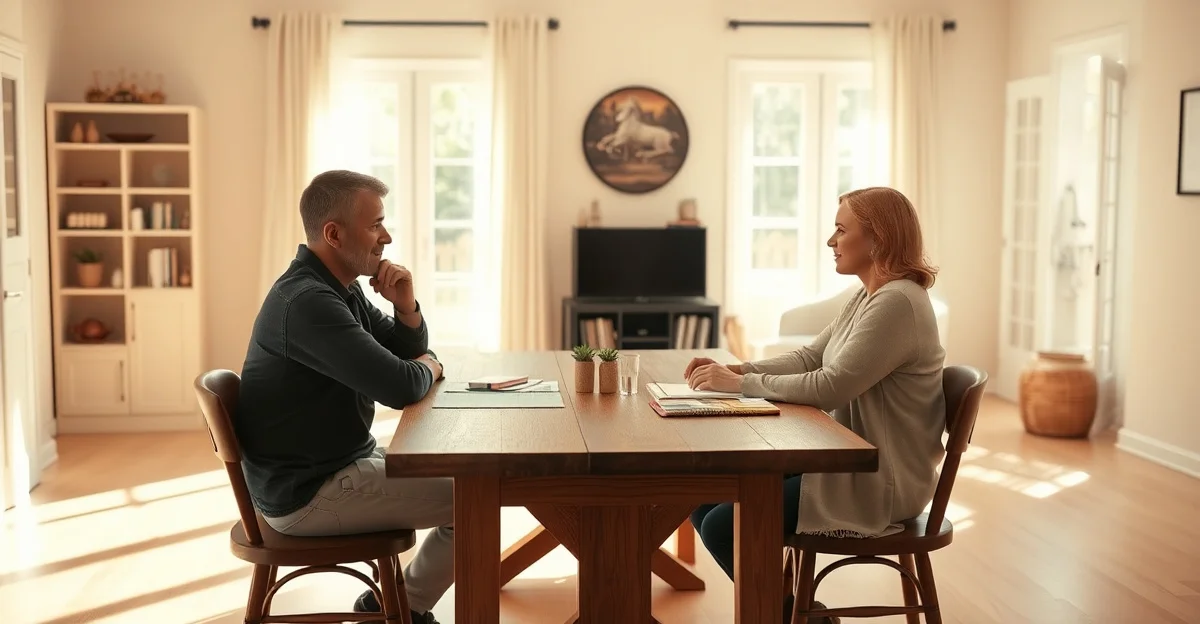
Instead of trying to immediately “move past” what you’re experiencing, give yourself permission to feel it. Talk to someone you trust—a close friend, family member, or therapist. Write in a journal. Sit with the weight of it for a few days. This isn’t weakness; it’s the foundation you need before taking action.
Avoid Major Decisions Immediately
Don’t make permanent choices (like separation) or have a serious confrontation in the first 24-48 hours. Your emotions are too raw, and you need clarity. Give yourself time to process.
Have a Calm, Honest Conversation
Once you’ve had some time to think, it’s time to talk. This conversation should be grounded in honesty, not blame.
The goal isn’t to shame or punish. It’s to express how this discovery affects you and to understand what’s happening. Start from a place of “I feel” rather than “You always” or “You should.”
How to Start the Conversation
Instead of: “Why would you do this to us?”
Try: “I found [specific evidence], and I’m scared and confused. I need to understand what’s been happening.”
Be specific about what you discovered, but don’t turn it into an interrogation. You’re opening a dialogue, not a courtroom.
Your partner may become defensive, minimize what’s happened, or make promises to stop immediately. This is common with gambling addiction—minimization and denial are part of the disorder, not personal failures. Stay calm and listen, but also hold your ground.

Seek Professional Support
This is crucial: gambling addiction is not something willpower alone can overcome. Your partner needs professional help, and so might you.
Look into options like:
- Individual therapy for your partner
- Couples counseling for both of you
- Support groups for people with gambling addiction
- Recovery apps like HOLDON that provide structured guidance
Your Partner May Resist at First
Don’t be discouraged if they push back against professional help initially. Consistent, calm suggestions over time often lead to acceptance. Frame it as “I want to understand and support you,” not as criticism.
HOLDON's Partner Support Features
HOLDON isn't just for the person with the gambling habit—it includes resources to help partners understand what's happening and how to support recovery without losing yourself.
HOLDON 앱에서 확인 →Protect Your Own Wellbeing
This is the hardest thing to remember when you’re in crisis: your partner’s addiction is not your responsibility to fix, and it is not your fault.
You did not cause this. You cannot control it. You can only control your own response to it.
When you’re focused on your partner’s crisis, it’s easy to neglect your own needs. But you matter too. In the weeks and months ahead:
- Keep your own routines and interests alive
- Consider therapy or counseling for yourself
- Maintain connections with friends and family
- Don’t make financial decisions alone—protect your finances if necessary
- Remember that supporting someone through addiction is a marathon, not a sprint
The discovery of spouse gambling addiction shakes your sense of trust and safety. Healing—both for your partner and for you—takes time. Be patient with the process, and be compassionate with yourself.

What Comes Next
In the days ahead, you’ll likely go through cycles of hope, frustration, and grief. That’s normal. Recovery is not linear, and neither is your emotional response to this situation.
Focus on what’s immediately actionable: have the conversation, explore professional help, and take care of yourself. The rest will unfold from there.
Need help?
- National Problem Gambling Helpline 1-800-522-4700
- Crisis Text Line Text HOME to 741741