The Neuroscience of Gambling Addiction: Why It's Hard to Stop

Gambling addiction isn’t about weak willpower or moral failing. Recent neuroscience research reveals that gambling addiction causes real, measurable changes in brain structure and chemistry. Understanding these scientific findings can help remove shame and provide hope for those struggling with addiction.
How Gambling Hijacks Your Brain’s Reward System
Deep within your brain lies a network called the reward system, designed to motivate behaviors essential for survival—eating, sleeping, forming relationships. This system releases dopamine, a neurotransmitter that creates feelings of pleasure and reinforces behavior.
Gambling triggers massive dopamine releases, far exceeding what natural rewards provide. A slot machine win can flood the brain with 10 times more dopamine than a healthy meal. This intense chemical rush essentially hijacks your brain’s natural reward pathways.
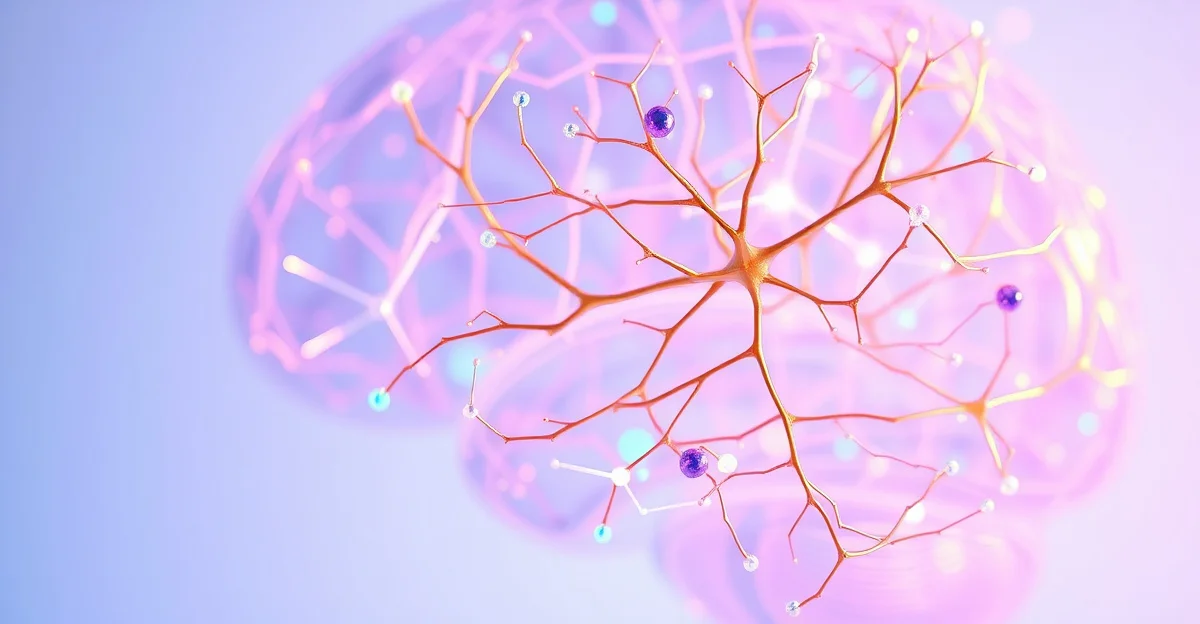
The problem develops with repeated exposure. Your brain adapts to these dopamine surges by reducing its sensitivity—a process called tolerance. What once felt exciting now feels normal, and you need increasingly intense experiences to achieve the same high. This neurochemical change explains why people often escalate their gambling behavior over time.
The Prefrontal Cortex Connection
Brain imaging studies show that gambling addiction damages the prefrontal cortex, the brain region responsible for decision-making and impulse control. This damage makes it physically harder to resist urges and think through consequences logically.
Stress Hormones Create a Vicious Cycle
Gambling addiction doesn’t just affect dopamine—it also disrupts your stress response system. When gambling leads to losses, your body releases cortisol and other stress hormones. These chemicals create anxiety and discomfort that the brain interprets as a problem to be solved.
Ironically, the brain often suggests gambling as the solution to gambling-induced stress. This creates a self-perpetuating cycle: stress from losses drives more gambling, which leads to more losses and more stress.

The brain’s stress response also impairs memory formation and decision-making. Under chronic stress, people tend to remember wins more vividly than losses and struggle to accurately assess risks. This biological bias makes gambling seem more appealing and less dangerous than it actually is.
Why Addiction Changes Your Brain Structure
Long-term gambling addiction literally rewires the brain. Repeated dopamine flooding causes the brain to reduce its natural dopamine production and decrease the number of dopamine receptors. This creates a state where normal, healthy activities—spending time with family, enjoying hobbies, even eating favorite foods—no longer provide much satisfaction.
Understanding Neural Pathways
Think of neural pathways like hiking trails. The more frequently a trail is used, the more worn and obvious it becomes. In gambling addiction, the pathway between triggers (seeing advertisements, feeling stressed) and gambling becomes a superhighway, while pathways to healthy coping strategies become overgrown from disuse.
These structural changes help explain why people often say they don’t enjoy gambling anymore but can’t stop. The addicted brain is essentially running on altered hardware, making different choices feel automatic rather than intentional.
The Good News: Your Brain Can Heal
Despite these profound changes, there’s reason for hope. The brain possesses remarkable neuroplasticity—the ability to form new neural connections and repair damaged areas throughout life. Research shows that with sustained recovery, the brain can restore much of its normal function.
Studies of people in gambling addiction recovery show that after 12-18 months of abstinence, brain scans begin to normalize. The prefrontal cortex regains activity, dopamine systems rebalance, and stress hormone levels decrease. This biological healing process supports what many people experience: that recovery becomes easier over time as healthy behaviors start feeling more naturally rewarding.
Recovery Takes Time
Brain healing doesn’t happen overnight. The neuroplastic changes that support lasting recovery typically take months to years. This timeline helps explain why early recovery often feels difficult and why professional support and structured programs can be so valuable.
Practical Steps That Support Brain Recovery
Understanding the neuroscience of addiction reveals why certain recovery strategies are particularly effective. Activities that promote neuroplasticity and healthy brain function include:
Regular exercise increases BDNF (brain-derived neurotrophic factor), a protein that helps grow new neural connections. Even moderate physical activity can accelerate brain healing and reduce cravings.
Mindfulness practices like meditation physically change brain structure, strengthening the prefrontal cortex while calming overactive stress responses. Just 10 minutes of daily mindfulness can create measurable improvements in brain function.
Quality sleep allows the brain to clear toxins and consolidate new, healthy neural patterns. Poor sleep disrupts recovery by maintaining stress hormone levels and impairing decision-making abilities.
Moving Forward with Compassion and Science
Knowing the neuroscience behind gambling addiction serves a crucial purpose beyond satisfying curiosity. This knowledge helps eliminate the shame that often prevents people from seeking help. When we understand that addiction involves real biological changes, it becomes clear that recovery requires more than good intentions—it requires proper support, time, and often professional help.
For those supporting someone with gambling addiction, this scientific understanding can foster patience and compassion. Recovery isn’t about trying harder; it’s about giving the brain time and support to heal from measurable biological changes.
The path forward isn’t always easy, but it’s grounded in hope. Your brain’s remarkable capacity for change means that with proper support and time, healing is not just possible—it’s probable.
Need help?
- National Problem Gambling Helpline 1-800-522-4700
- Crisis Text Line Text HOME to 741741