Exercise and Recovery: Finding the Right Movement for Your Journey

Recovery is about caring for both your body and your mind. Many people underestimate how powerful movement can be when rebuilding their lives after addiction. Physical activity isn’t just about staying in shape—it’s a foundation for emotional stability, resilience, and the kind of change that lasts.
Different exercise types work in different ways. By understanding how cardio, strength training, and yoga each contribute to recovery, you can choose what resonates with you and your needs right now.
Cardio: The Stress Release You Need
Walking, running, cycling, swimming—these cardio activities are often the first step into a more active recovery. They’re accessible, require minimal equipment, and deliver real benefits quickly.
When you do aerobic exercise, your body releases endorphins—natural chemicals that improve mood and ease stress. Regular cardio also helps you sleep better, manages anxiety, and gives you an immediate sense of accomplishment. The rhythm of movement can become meditative, offering your mind a break from racing thoughts.
What Research Shows
Studies consistently show that 30 minutes of moderate-intensity cardio three to four times a week can be as effective for reducing depression as medication alone. The key is consistency and starting at a pace that feels manageable for you.
Cardio doesn’t mean running marathons. A 20-minute walk, a bike ride, or time in a swimming pool counts. What matters is finding something you can stick with—something that fits your life and feels good.
Strength Training: Building More Than Muscle
Lifting weights, using resistance bands, or doing bodyweight exercises builds physical strength, but the psychological benefits are equally important. As your body changes, something shifts inside too.
Setting small goals—adding one more repetition, increasing your weight slightly—and actually reaching them creates real confidence. These small victories accumulate. Many people in recovery report that strength training helps them feel grounded, capable, and genuinely proud of their body for the first time in years.
Beyond the mental boost, strength training stabilizes your metabolism, provides steady energy throughout the day, and addresses the physical depletion that often comes with addiction recovery.
Starting Strength Training Safely
Begin with weights or resistance that feel manageable—not overwhelming. Two to three sessions per week is a good rhythm. Focus on proper form over heavy weight. Online tutorials or a trainer can help you avoid injury and stay motivated. Remember: progress, not perfection.
Yoga: Reconnecting Body and Mind

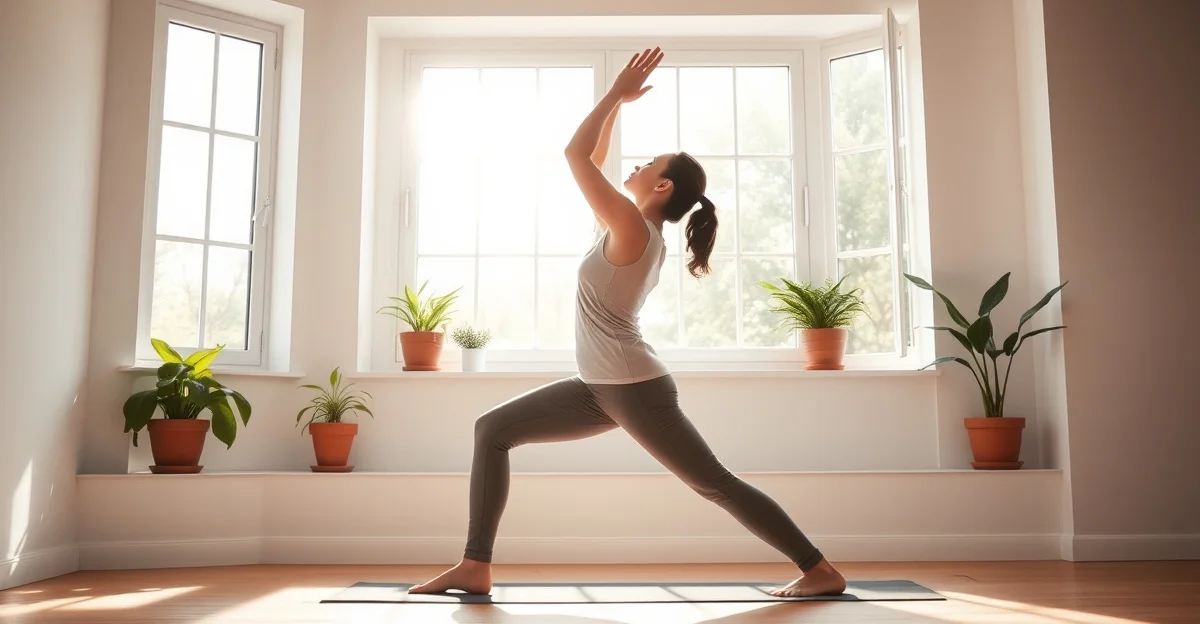
Yoga goes beyond physical movement. It combines postures, breathing techniques, and mindfulness into a practice that works on multiple levels at once.
Regular yoga practice lowers anxiety, increases self-awareness, and improves your ability to recognize and manage your emotions. During recovery, you learn to observe difficult feelings without being overwhelmed by them. The breathing techniques you practice in yoga—like slow, intentional breathing—become tools you can use anywhere, anytime you feel triggered or anxious.
A Note About Yoga and Expectations
Yoga isn’t about perfect poses or being flexible. It’s about meeting yourself where you are. Beginner classes and online videos designed for recovery work wonderfully. Your body knows what it needs—listen to it.
Many people find yoga uniquely comforting during recovery because it emphasizes gentle self-compassion rather than pushing yourself hard. You move at your own pace, and that pace is always right.
Choosing What’s Right for You
Not everyone needs all three types of exercise. Your choice depends on what you need right now:
If you’re low on energy: Gentle yoga or short walks help you reconnect with your body without demanding too much.
If you need confidence back: Strength training delivers tangible progress and a sense of capability quickly.
If stress is overwhelming: Cardio releases tension immediately and clears your mind.
If you feel disconnected from your body: Yoga rebuilds that relationship with intention and care.
The truth is, the best exercise is the one you’ll actually do. Consistency matters far more than intensity. A 15-minute walk you do three times a week beats a grueling gym session you dread and skip.
Making Movement Part of Your Recovery

Exercise is a tool in your recovery, not the whole solution. But when combined with professional support, community, and self-compassion, regular movement accelerates healing and reduces the risk of relapse.
Start small. A ten-minute walk today, five minutes of stretching tomorrow. These small moments build into significant change. As you move forward, you might track your activities in the HOLDON app to see your progress over time and stay connected to your recovery goals.
Activity Tracking and Progress
Log your daily movement and wellness activities to visualize your recovery journey and celebrate consistency.
HOLDON 앱에서 확인 →Your recovery is unique to you. Exercise isn’t punishment or redemption—it’s medicine, self-care, and a way to rebuild trust in your body. You deserve to move in ways that feel good.
Need help?
- National Problem Gambling Helpline 1-800-522-4700
- Crisis Text Line Text HOME to 741741