Two Years Strong: Building a Life Beyond Gambling

Two Years: A Different Kind of Time
Two years ago, survival was the only goal. I’d wake up with gambling already filling my thoughts, and by evening, regret and anxiety would take over completely. Today feels entirely different. After two years of recovery, I finally understand what a stable life actually looks like.
When I first started this journey, the doubt around me was palpable. My family looked at me with skepticism more than hope. I couldn’t even promise myself this would last. But here I am—two years of quiet, daily choices that somehow added up to this moment.
The thing about long-term recovery that nobody really prepares you for is how gradual it becomes. There’s no single turning point where everything clicks into place. Instead, there are hundreds of small moments where you choose differently than you would have before. You notice these moments eventually, and they accumulate into something real.
What Long-Term Recovery Actually Means
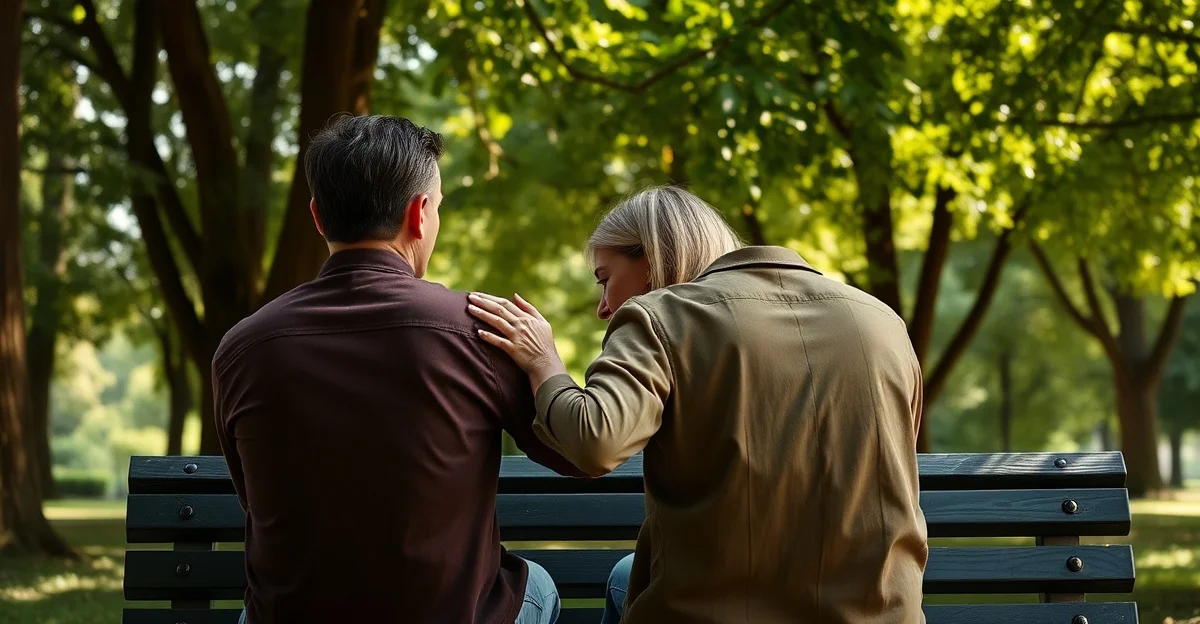
Recovery isn’t just about stopping gambling. It’s about rewiring how you think, learning new ways to handle difficult emotions, and rebuilding the relationships that gambling damaged. All of that takes time—much more than we’d like it to.
Rebuilding Trust: One Honest Day at a Time
The hardest part of early recovery was facing my family’s skepticism. My partner didn’t trust me—understandably, given how many times I’d broken promises before. My parents constantly checked whether this change was real or just another temporary phase. That scrutiny stung, but I understood it. I’d earned their doubt.
What surprised me was how trust didn’t come from big declarations or dramatic gestures. It came from showing up. Consistently. Boring consistency.
Over months, something shifted. My partner went from asking cautious questions to simply noticing that I seemed more present. My parents moved from checking up on me to actually listening when we talked. There wasn’t a single moment where trust returned—it was gradual, built on the foundation of small, kept promises.
Trust Rebuilds Through Action, Not Words
If you’re trying to restore relationships damaged by gambling, focus on specific, achievable commitments. “I’ll be home by 6 PM,” “I’ll attend my support meeting every Thursday,” or “I’ll share this with you when I’m struggling.” Keep those promises consistently, even when nobody’s watching.

Making Peace With Yourself
The most important change in these two years hasn’t been external—it’s been internal. Early on, I replayed my past mistakes constantly. The financial damage, the emotional pain I’d caused, the opportunities I’d squandered. Some nights I couldn’t sleep because of the weight of it.
Recovery taught me something essential: you can’t change what you did, but you can change what you do next.
I had to learn to take responsibility without letting shame consume me. Yes, I hurt people I care about. Yes, I made choices I regret. And yes—I’m also someone who’s capable of different choices now. Those two truths can exist together.
Self-compassion became a tool rather than an excuse. When I stumbled (and I did, even within these two years), I treated myself with the same kindness I’d offer a friend. Not ignoring the mistake, but not drowning in it either.
The Paradox of Self-Forgiveness
Beating yourself up won’t prevent relapse—it often triggers it. Accepting that you made mistakes while believing you deserve recovery is the balance that actually works for long-term stability.
The Quiet Revolution of Daily Habits
By the end of year one, something unexpected happened: healthy choices started feeling natural. When stress hit, I didn’t automatically think of gambling. Instead, I’d go for a walk or open a book. My brain had rewired itself without me having to fight as hard.
My mornings look completely different now. I spend ten minutes meditating and planning my day. It sounds simple, but for someone who used to start every morning in crisis mode, it’s transformative. Money doesn’t feel like a source of panic anymore—I allocate it to necessities and savings first, then live on what’s left.
These rhythms give my life structure. That structure gives me stability. And stability, it turns out, is what I was always looking for.
Daily Check-In & Pattern Recognition
HOLDON's daily reflection feature helps you track not just your triggers, but also what actually works for you. Over two years, you'll see patterns that show your real progress—the kind money can't measure.
HOLDON 앱에서 확인 →Looking Forward From Here
Two years has shown me that recovery is genuinely possible. It’s not perfect. Some days are still hard, and urges still surface occasionally. But I’ve learned they pass. That momentary thought isn’t a prediction of the future—it’s just a thought.
If you’re early in your recovery journey, I want to tell you: the difficulty you’re experiencing right now isn’t forever. These first months and years are the hardest because you’re fighting against patterns that have deep roots. But roots can be replaced. New patterns can grow.
Two years felt impossible when I was at day five. Now I can’t imagine going back. Your recovery is possible too—not because it will be easy, but because it’s worth the effort. One day at a time, that becomes real.