Five Years On: What I Still Stay Mindful About
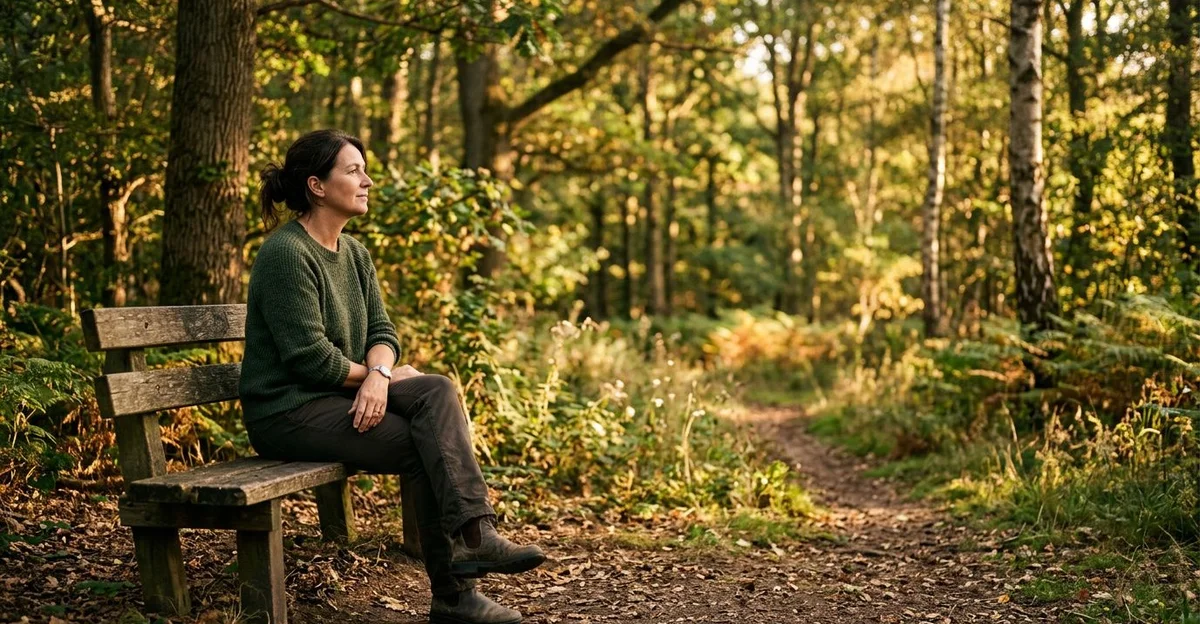
It Took Years to Admit I Needed Help
Five years ago, I couldn’t imagine being where I am today. The distance between that moment and now feels both impossibly long and somehow brief at the same time. When I look back, I notice how much has changed—my routines, my relationships, my sense of safety in ordinary moments.
But here’s what I want to be honest about: this isn’t a victory narrative. If anything, it’s the opposite.
Five years in, I’m still careful. And that carefulness isn’t something I’m trying to shed—it’s what I believe protects me most. What I’ve learned through long-term recovery is this: the need for vigilance doesn’t end just because time has passed. It evolves.
The Danger Comes Quietly Now
Early on, the warning signs felt more obvious. When stress hit, when boredom crept in, when sadness arrived—I could trace a line between the feeling and the temptation. That learning curve was steep, but at least the pattern was visible.
Years later, something shifted.
As daily life normalized, the moments of danger became more subtle. Nothing bad has to happen. No crisis needs to occur. Sometimes it’s just a quiet thought: “Maybe this time would be different.” Or “It’s been so long, surely I could manage it.” That thought—that small, reasonable-sounding whisper—is the one I’ve learned to fear most.
The Long-Term Recovery Trap
The longer we’re stable, the easier it becomes to believe we’ve “outgrown” the problem. That belief itself is the vulnerability. The moment we think we no longer need to be careful is often the moment we become most at risk.
Small Habits That Matter More Than Willpower
My five-year recovery doesn’t rest on grand gestures or dramatic moments of strength. It rests on small, unglamorous daily choices.
First, I spend ten minutes most mornings checking in with myself. How am I actually feeling? What’s driving that feeling? Are there any warning signs I might be dismissing? It sounds simple now, but it took months to make it routine. Now it’s as automatic as brushing my teeth.
Second, I’ve stayed intentionally connected to people I trust. Isolation has always been my biggest risk factor. When loneliness creeps in or when a moment of temptation surfaces, reaching out to someone—even just for a conversation—changes everything. I try to connect with my support network at least once a week, whether that’s a check-in call or time spent with people who understand this journey.
Third, I still avoid my known triggers without apology. Five years hasn’t made me immune to certain environments, certain people, or certain situations. So I don’t walk into them. This isn’t weakness. This is wisdom.

Practices That Sustain Long-Term Recovery
- Daily emotional check-in (morning or evening)
- Weekly connection with at least one trusted person
- Intentional avoidance of known triggers and high-risk situations
- Clear boundaries—and actively protecting them
- Honest reflection when you slip, without shame
Letting Go of Perfection Changed Everything
The most important thing I’ve learned in five years is this: imperfect recovery is still real recovery.
I miss my daily check-in sometimes. I’ve had stretches where I let my guard down a bit. There were moments early on where I felt like a failure for not being pristine in my choices. That self-judgment nearly became its own trap.
But I understand now: the quality of recovery doesn’t depend on never stumbling. It depends on whether you get back up.
Recovery isn’t a straight line. Some days you move backward. Some days you move sideways. What matters is whether you keep moving with intention and self-compassion.
Recovery Isn't a Destination
Recovery is a daily practice of choosing yourself. It’s imperfect, ongoing, and that’s exactly how it should be. The moment you think you’ve “arrived” is the moment your vigilance becomes dangerous.
Moving Forward With Open Eyes
Five years is a meaningful milestone. It’s given me perspective I didn’t have before. But it hasn’t made me complacent—and I’m grateful for that.
If you’re somewhere on this path right now, I want to tell you: length of time doesn’t mean you get to stop being careful. What it means is that you’re learning how to be careful more wisely. You’re building practices that don’t feel forced anymore. You’re understanding your own patterns well enough to protect yourself before the crisis arrives.
I’m five years in, and I’ll keep walking this road. Not perfectly. Not without moments of doubt or slips in focus. But intentionally. Carefully. With the kind of quiet strength that comes from knowing exactly how much is at stake—and choosing recovery anyway.
Daily Check-In Reminders
Set up gentle daily prompts to pause and assess your emotional state. These moments of reflection are often where early warning signs show up.
HOLDON 앱에서 확인 →