Finding Connection in Lonely Moments: Remembering You're Not Alone
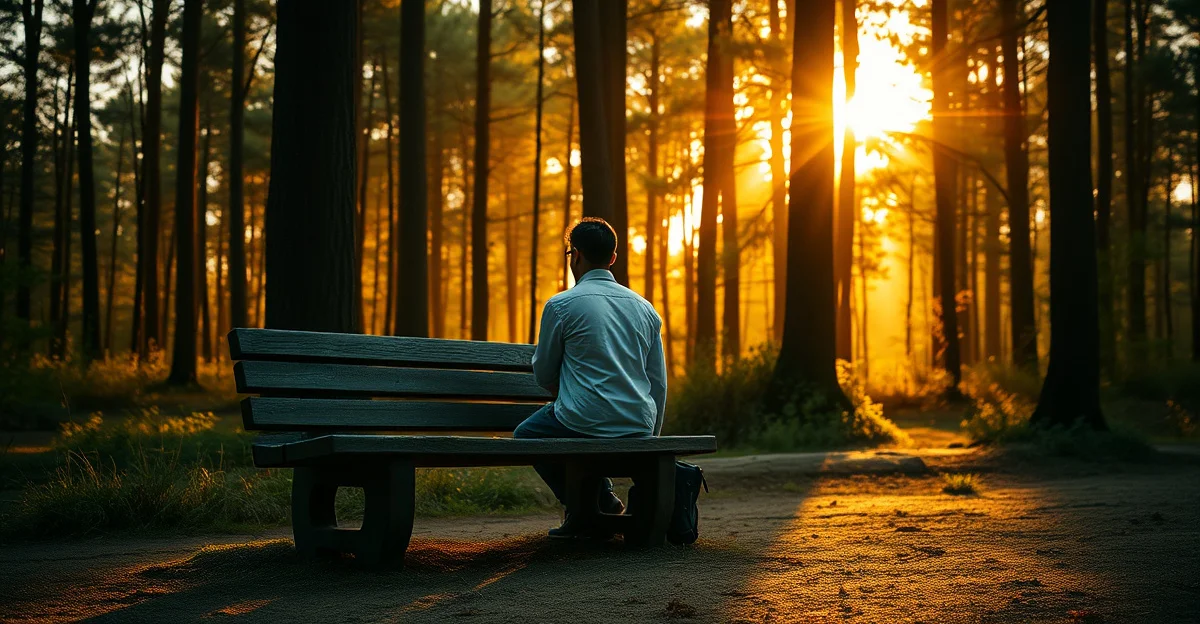
Loneliness Is Part of the Recovery Journey
When you stop gambling, you lose more than just the activity itself. You lose the stimulation, the rush, the distraction—and suddenly those empty hours can feel overwhelming. Late evenings, quiet weekends, moments when you’re alone with your thoughts: these times can hit hardest.
But here’s what matters most: that loneliness doesn’t mean you’re weak. In fact, it’s a sign that you’re moving toward something healthier. And the most important truth? You are not alone in this.
Gambling often serves as an escape from difficult feelings, including loneliness. When you remove that escape, those feelings surface more clearly. That’s not failure—that’s healing beginning to happen. And healing gets easier when you have connection.

Loneliness Is Not Weakness
Feeling lonely during recovery is natural and normal. Rather than fighting these feelings or pretending they don’t exist, acknowledging them is actually one of the strongest things you can do. This awareness is what allows you to build real solutions.
Creating a Plan for the Hardest Hours
The best way to handle loneliness isn’t to avoid it—it’s to fill those vulnerable hours with something meaningful. When you know which times of day or week are hardest for you, you can prepare.
Think about what genuinely helps you feel better. Maybe it’s a walk outside, calling someone you trust, reading something engaging, listening to music that moves you, or simply sitting with a warm drink and watching the world go by. These aren’t distractions in a harmful way—they’re acts of self-care that help you survive the difficult moments.
The key is planning ahead. When loneliness hits suddenly, your brain might struggle to think clearly. But if you’ve already decided what to do, you can act without having to figure it out in that vulnerable moment.

Build Your Loneliness Survival Plan
Write down the specific times when you feel most isolated (Friday evenings, Sunday afternoons, late nights—whatever applies to you). Next to each one, list 2-3 concrete things you can do. Then, when those times arrive, you have a roadmap ready. The simpler the activities, the better: text a friend, take a walk, listen to a podcast, write in a journal. Having a plan removes the pressure of “what do I do now?” when emotions are intense.
The Power of Connection Reminders
One of the most underrated tools in recovery is knowing that someone else is thinking of you. Connection doesn’t have to be complicated or require hours of social time. Sometimes the most powerful moment is receiving a simple message from someone who cares—a message that arrives exactly when you need it most.
During the loneliest hours, a reminder that you matter can change everything. It interrupts the spiral of isolation and brings you back to the reality that you’re part of something larger than your own struggle. This is why connection reminders matter so much during recovery.
Connection Reminders
Set up automatic messages from people who support you during your most vulnerable times. Whether it's a daily check-in or a message when you need it most, knowing someone has your back makes the difference between struggling alone and moving through difficulty with support.
HOLDON 앱에서 확인 →Building Real Relationships Again
Recovery often means rebuilding relationships that were damaged by gambling, or creating new ones with people who understand your journey. This can feel scary. It takes vulnerability to reach out after things have been difficult.
But here’s the truth: those moments of reaching out are exactly where healing happens. A simple text—“How are you doing?”—can reconnect you with someone who cares. Attending a support group or online community lets you be around people who truly understand. These aren’t small things. They’re the foundation of a life that feels connected and whole.
You don’t need grand gestures. You need consistency. You need people who show up, even when it’s not exciting. You need to show up for them too. Over time, these small, steady connections become the strongest part of your recovery.

Your Recovery Matters
Every single day that you stay committed to your recovery, even on the lonely days—especially on the lonely days—you’re proving something to yourself. You’re showing that your healing matters. Keep going.
You’re Never Truly Alone
When loneliness creeps in during your recovery, remember this: thousands of people around the world are in this moment with you. They’re feeling what you’re feeling. They’re choosing what you’re choosing—to build a life that’s authentic and free.
The HOLDON community is here. Not to fix you or judge you, but to stand alongside you through the hard parts. Your vulnerability isn’t weakness—it’s courage. And that courage matters.
Reach out. Send that message. Join that community. Plan those meaningful activities. You deserve connection, and connection is waiting for you.