Envisioning the Relationships You Want in Recovery
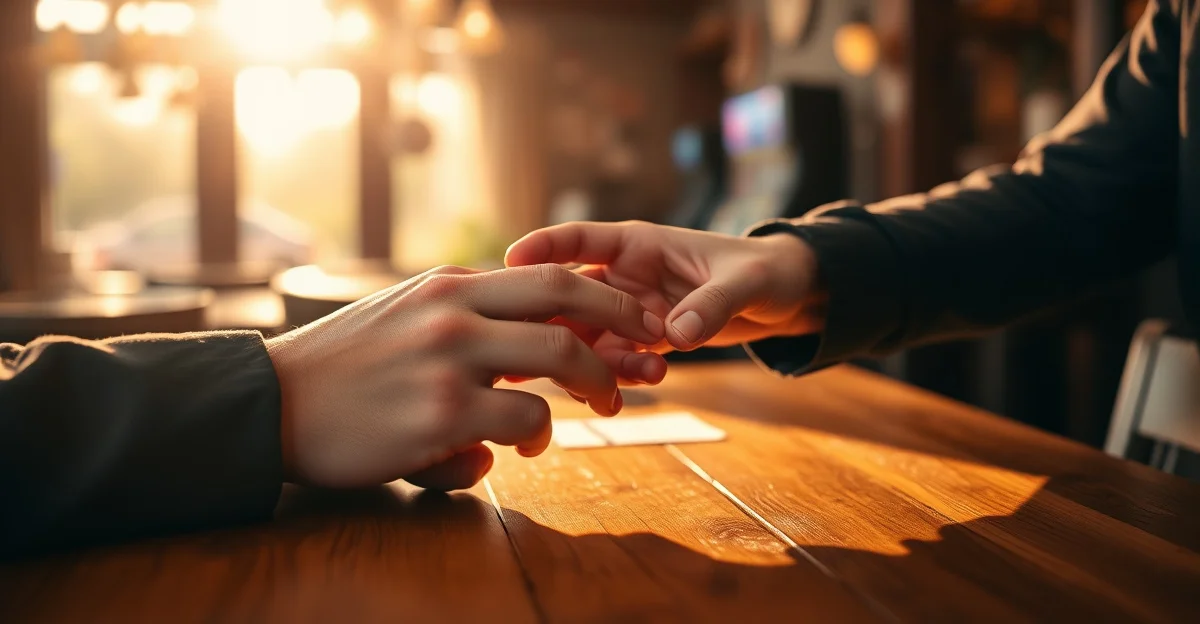
One of the hardest parts of recovering from gambling addiction isn’t just the addiction itself—it’s the relationships that have suffered along the way. The hours lost to gambling, the broken promises, the money that disappeared. These things create distance. You might want to reconnect with family and friends, but you don’t know where to start. You might feel ashamed or unsure if they’ll ever trust you again.
But here’s what matters: recovery isn’t something you do alone. And rebuilding connection is possible.
The Weight of Isolation
When you’re in active addiction, isolation happens quietly. It starts small—canceling plans, avoiding calls, withdrawing from people who care about you. Before long, you’re sitting with the weight of loneliness and the weight of addiction. That’s when many people feel most trapped.

Isolation during recovery can feel even heavier at first. You’re aware now of what your addiction cost you. You see the relationships that need repair. The embarrassment, the guilt—these feelings can make reaching out feel impossible. But isolation amplifies those feelings. It gives them power.
Connection is medicine for recovery
Research consistently shows that people with strong relationships have better recovery outcomes. This isn’t about having a perfect social life—it’s about having people you can be honest with, people who support your recovery without judgment.
The people in your life likely already know something changed. They may be waiting to see if this time is different. That’s where you come in.
Getting Clear on What You Actually Want
Before you can rebuild relationships, you need to know what you’re building toward. This isn’t about going back to how things were. It’s about deciding what kind of connections truly matter to you and what kind of person you want to be in those relationships.
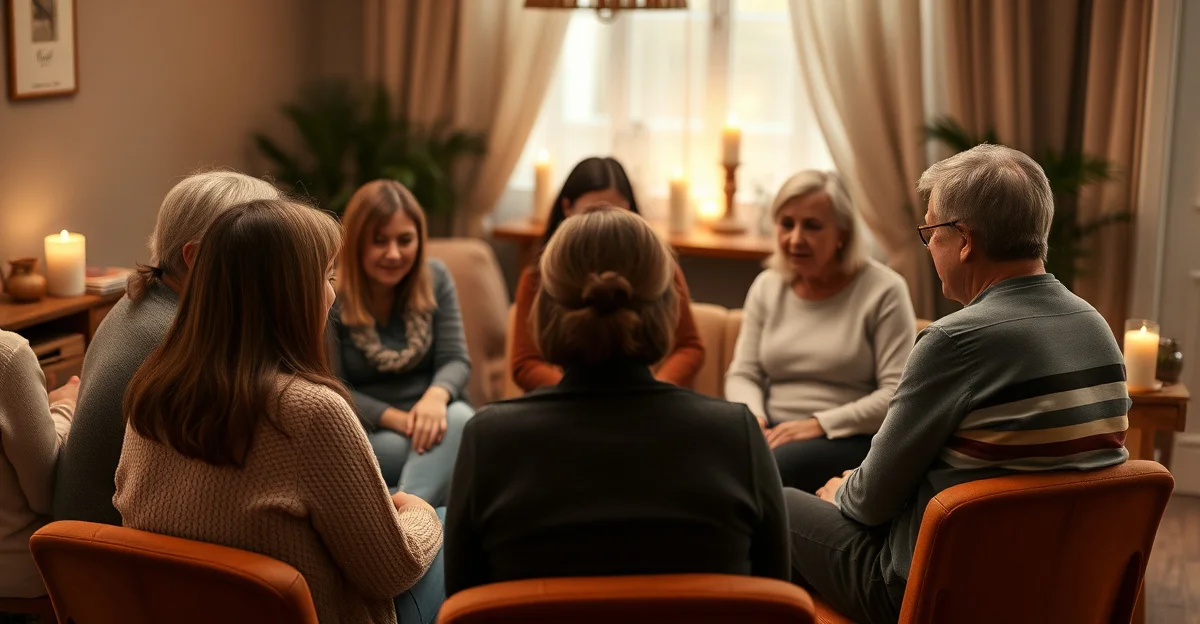
Take a moment to think honestly: What does a good relationship look like to you? Is it someone you can be vulnerable with? Someone who makes you laugh? Someone who shares your values? Is it family you want to reconnect with, or new friendships built on who you’re becoming?
This matters because during recovery, your values often shift. The things that used to matter might not anymore. New things become important. Alignment between who you want to be and who’s in your life becomes crucial.
Clarify your relationship values
Write down your answers to these questions:
- Who are the people I most want to rebuild connection with, and why?
- What qualities do I value in a relationship? (Trust, honesty, shared humor, support, etc.)
- What kind of person do I want to be in my relationships?
- What am I willing to give, and what do I need to receive?
- What would it feel like to have healthy connection again?
These answers form your foundation. Return to them when you’re unsure about a relationship or when you feel disconnected.
Starting Small Is Smart
One of the biggest mistakes in relationship recovery is thinking you need to fix everything at once. You don’t. Small, consistent actions build trust far more effectively than grand gestures.
A text message saying “I’ve been thinking about you” matters. A phone call where you listen more than you talk matters. Showing up—even when it’s awkward—matters. These small things accumulate into something real.
Manage your expectations
People who care about you may need time to trust your changes. That’s not punishment—that’s protection. They’ve been hurt before. Your job isn’t to prove yourself in a day or a week. It’s to be consistently reliable, honest, and present over time.
As you move forward in recovery, remember that vulnerability is strength, not weakness. Being honest about your struggle—not in a way that burdens others, but in a way that shows you’re committed to change—is how real connection happens.
Turn Your Vision Into Reality
Envisioning the relationships you want is the first step. But vision without action stays a dream. That’s where getting concrete becomes important.
Maybe it means scheduling a coffee with someone you’ve drifted from. Maybe it means joining a group or community where you can meet people who understand what you’re going through. Maybe it means having a difficult conversation with someone you hurt, with a genuine apology and a realistic plan for how things can be different.
Envisioning the relationships you want
Complete a self-assessment worksheet in the HOLDON app. Clarify your values, identify the connections that matter most, and create concrete steps to rebuild them.
HOLDON 앱에서 확인 →The Recovery You Deserve Includes Connection
Gambling addiction thrives in isolation. Recovery thrives in connection. By envisioning the relationships you want—by getting clear on your values and then taking small, consistent action—you’re not just recovering from addiction. You’re building a life worth the effort it takes to stay sober.
Your relationships don’t have to be perfect. You don’t have to be perfect. But they do need to be real, and they do need to matter to you. Start there. Vision first, then action. That’s how isolation becomes connection again.